Regular price
$39.95 AUD
Sale price
$39.95 AUD
Regular price
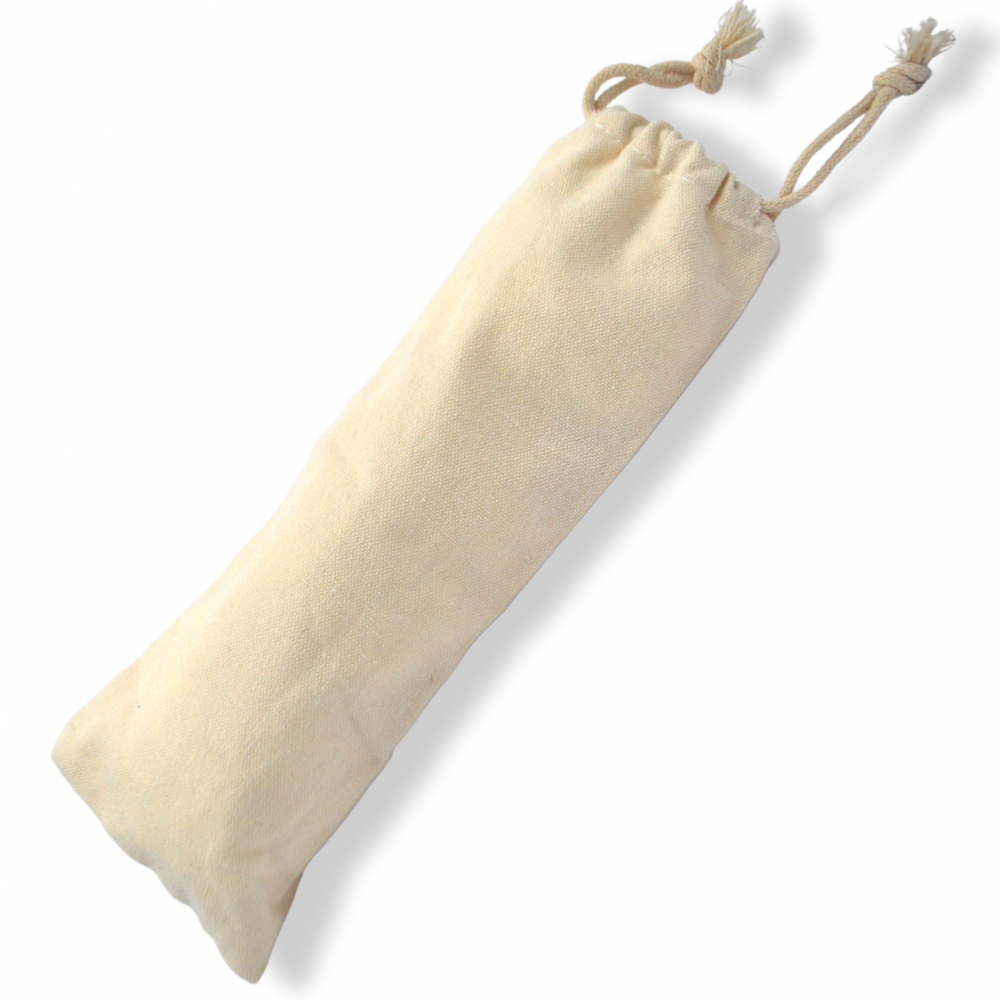
Here's a little gift to say "Welcome to the SUNNYBOD™ Family". Receive a FREE Brush Pouch & Canister Cleaning Brush with every Sunscreen Brush purchase. Stock is limited so act quickly. We don't want you to miss out!


The back is the part of the body almost everyone misses. It is out of sight, hard to reach, and easy to skip when you are rushing out the door. And yet it is one of the most sun-exposed areas of the body, particularly for anyone who spends time outdoors with their shirt off.
Here is the part that should make every Australian family pause. Cancer Council Australia reports that 66% of Australians who die from skin cancer are men, and men carry a higher lifetime risk of melanoma than women.[1] Separate Cancer Council research found that only 27% of Australian men use sunscreen regularly, roughly half the rate of women, while men are more likely to be outdoors during peak UV hours.[2]
As a mum, I see it every summer. The dads and uncles at the beach who cheerfully sunscreen the kids, then skip their own backs entirely because there is no easy way to reach. But it is not just them. Equally, I see many women, bare backed, applying SPF to their face and arms, but not giving their back a second thought. This post is about solving that. We will cover the honest options for getting sunscreen onto a back, whose back it is, and how to make it something that actually happens rather than something everyone means to do.
Quick answer
The most effective way to protect your back from the sun is to cover it with UV-protective clothing such as a rash vest, then apply SPF 50+ broad-spectrum sunscreen to any skin left exposed. For applying sunscreen to your own back, a long-handled lotion applicator helps with reach. For applying to someone else's back, including a partner, a child, or a friend, a hands-free brush applicator is the quickest and least messy option, and it removes the awkwardness of asking for help. Whatever method you use, reapply every two hours and after swimming or sweating.
The back presents three separate problems, and most people only think about the first one.
Reach. The centre of your own back is genuinely difficult to reach. Most people can manage their shoulders and the top of their back, but the middle and lower back are nearly impossible to cover properly by hand. This leaves a band of skin across the middle of the back unprotected.
Awkwardness. Asking someone else to apply sunscreen to your back involves a degree of physical closeness and mess that many people would rather avoid, especially with someone they do not know well. So they skip it.
Reapplication. Even when the back gets covered in the morning, it rarely gets reapplied. Reapplying to your own back at the beach or midway through a game of backyard cricket is harder than the first application, so it simply does not happen.
Add these three together and you have an area of skin that receives heavy sun exposure and very little protection. For men and women who spend time outdoors without a rashie shirt, the back can go an entire summer with almost no sunscreen at all.

Before we talk about sunscreen at all, it is worth being honest about what works best. For the back specifically, the single most effective form of sun protection is to cover it.
SunSmart recommends sun-protective clothing as a primary form of protection, and a rashie or UV-protective shirt covers the entire back in one step.[3] For kids at the beach or pool, a rashie removes the back-application problem almost entirely, and it does not wash off or need reapplying. For people who find sunscreen a hassle, a UV shirt is genuinely the easiest win available.
Clothing and sunscreen are not an either-or choice. The best approach is to cover what you can with clothing and apply SPF 50+ broad-spectrum sunscreen to whatever skin remains exposed. But for the back in particular, clothing should be the first line of defence, not an afterthought.
If you are applying sunscreen to your own back with no one around to help, here are the realistic options and where each one falls short.
These are purpose-built tools with a long curved handle, usually 17 to 31 centimetres or more, with a foam pad or roller head at the end. You squeeze lotion onto the pad and use the handle to reach across your back. They are widely available online, including through accessibility and daily-living retailers, and they are a genuine solution to the reach problem.
Where they fall short:
For solo adults who want to cover their own back at home before heading out, a long-handled applicator is a reasonable tool. It is the one scenario where a long handle genuinely helps.
Many people reach for spray sunscreen for their back because it seems like the easiest hands-free solution. Sprays are not effective for everyone, though. It can be hard to judge how much you have applied,[6] wind carries a good deal of the product away, and most sprays still need to be rubbed in to work properly, which brings you back to the original reach problem.
For most people, the real-world solution is simply to ask a partner, friend, or family member to do their back. This works well, and it is where a hands-free applicator makes the biggest difference, which we will come to next.
Applying sunscreen to another person's back is a completely different situation to applying it to your own. The reach problem disappears. What remains is mess and, not surprisingly, often awkwardness.
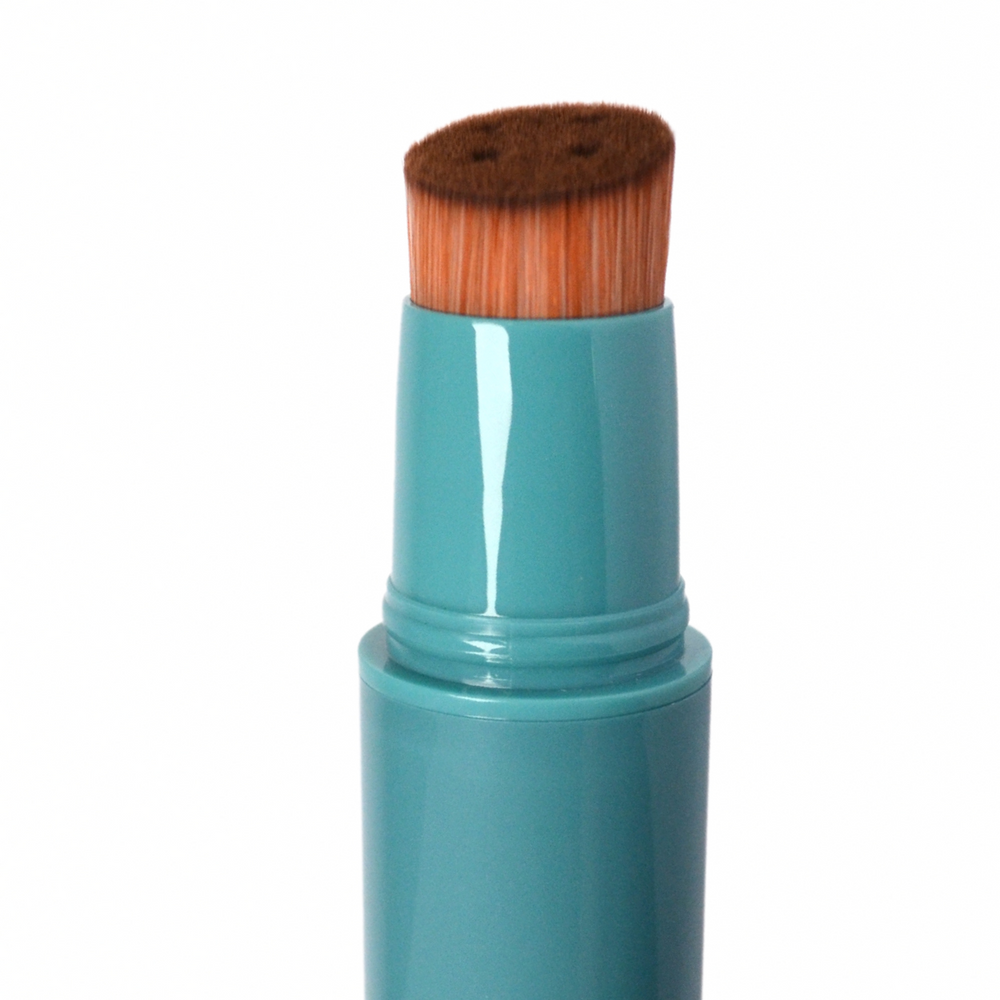
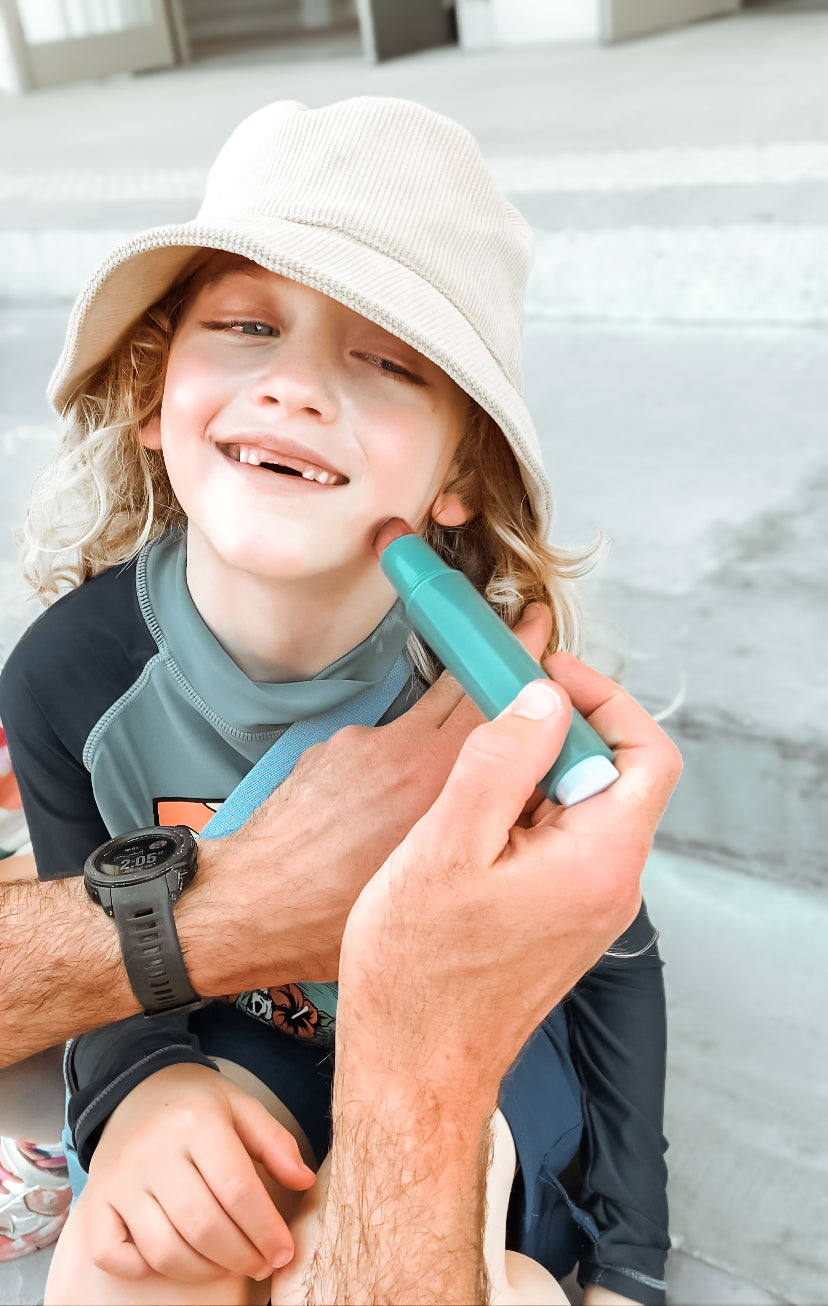
This is where a hands-free brush applicator changes things. With a brush like the SUNNYBOD™ sunscreen brush applicator, the person applying never gets sunscreen on their hands. The sunscreen is held in the applicator and dispensed through the brush head directly onto the skin. You can do someone's entire back in under a few short minutes without a greasy palm in sight.
For the dads and uncles who happily do the kids but skip their own backs, handing the brush to a partner or a mate takes seconds and creates no mess for the helper. It removes the single biggest reason the back gets skipped.

There is a social barrier to asking someone to put sunscreen on your back, and it is worth naming honestly. Asking a friend, an acquaintance, or someone you have just met at the beach to rub lotion across your bare back is an oddly intimate request. It involves skin-to-skin contact and leaves the other person with greasy hands. So people avoid asking, and the back stays unprotected.
A brush applicator quietly removes that barrier. Handing someone a brush is a completely different request to asking them to rub lotion on you with their hands. There is no skin contact, no mess on their hands, and the whole thing can be done quickly. It turns an awkward favour into a more casual one.
It sounds like a small thing, but lowering the barrier to asking is exactly what gets the back covered. The easiest sun protection is the kind that actually happens.
A child's back is a different challenge again. The problem is not reach. It is that children wriggle and squirm, their backs are small moving targets. By the time you have got the bottle out and squeezed sunscreen onto your hands, your child has already darted off towards the water.
A brush applicator works well here because it is fast and the soft bristles are comfortable on the skin. Many children who resist cold, greasy hands tolerate a brush far more happily. You can cover a small back quite quickly.
For babies and children, remember that Cancer Council recommends shade and protective clothing as the primary forms of protection, with sunscreen on exposed skin as a supplement.[4] A long sleeve rashie covers a small back completely and is the easiest option of all for little ones.
Here is a situation almost every parent knows but rarely talks about. You are the supervising adult at a pool party, a play date, or a beach afternoon, and there are children present who are not your own. They need sunscreen. But reaching out and rubbing lotion onto a child who is not yours can feel uncomfortable, both for you and for them.
A hands-free brush solves this neatly. You can keep another family's child sun safe without placing your hands directly on their skin. The brush does the contact, not your palms. It is a more comfortable interaction for everyone, and it means the kids who are not yours still get protected rather than being quietly skipped because it felt awkward to step in.
This is also why brush applicators work well in childcare centres, kindergartens, and schools, where educators apply sunscreen to many children who are not their own, day after day. A hands-free tool removes the discomfort of repeated hands-on contact and allows for personal SPF formula choice due to allergy or preference. If you run a centre or school and want to explore this, take a look at our wholesale options for schools and daycares.
Most conversations about sunscreen stop at the morning application. But sunscreen needs reapplying every two hours and after swimming, sweating, or towel drying.[5] Reapplication is where back protection quietly falls apart.
You cannot easily reapply to your own back at the beach. You are unlikely to reapply midway through a game of cricket. And dragging out a long-handled applicator or a greasy bottle at the pool is not something most people will do. So the morning coat wears off and nothing replaces it.
A compact, portable brush applicator that fits in a beach bag changes this. It makes reapplication quick enough that someone will actually do it, and hands-free enough that a helper will not mind. Reapplication that takes minutes and leaves no mess is reapplication that happens.
Whether you are applying to your own back with a long-handled tool or to someone else's with a brush, the principles are the same.
If you are the one who does the kids and skips your own back, this part is for you. The statistics are not meant to frighten anyone, but they are worth sitting with. Men are diagnosed with melanoma at higher rates than women, and the majority of Australians who die from skin cancer are men.[1] A large part of that gap comes down to men simply using less sun protection and spending more time outdoors.[2]
The back is the easiest area to skip and one of the most exposed. Throwing on a UV shirt, or handing your brush to whoever is next to you for a quick back coat, is a small habit with serious protection behind it. You already do it for the kids. Do it for yourself too.
Cover your back with a rashie or UV-protective shirt where possible, as this is the most effective and reliable option.[3] For exposed skin, a long-handled lotion applicator helps you reach the centre of your own back. If someone is available to help, a hands-free brush applicator like SUNNYBOD's is the quickest and least messy way for them to do it. Whatever you use, apply 20 minutes before sun exposure and don't forget to reapply.[5]
The SUNNYBOD brush has a compact handle designed for face, body, and easy reach areas, so it is not intended for solo application to the centre of your own back. It is at its best when someone applies to another person's back, including a partner, a child, or a friend, hands-free and without mess. For reaching your own mid-back unaided, a dedicated long-handled applicator is the better tool.
Spray sunscreens are not effective for everyone. It can be difficult to judge how much you have applied and whether it has gone on evenly,[6] wind carries much of the product away, and sprays still need to be rubbed in to work properly. For the back, that brings you straight back to the reach problem, so spray is not a reliable solution for everybody.
A hands-free brush applicator lets you keep another family's child sun safe without placing your hands directly on their skin, which is more comfortable for everyone. It is fast, mess-free, and means the children who are not yours still get protected rather than skipped. The same approach is why brush applicators work well in childcare and school settings. For hygiene reasons SUNNYBOD recommends swapping out the brush bristles for a clean brush head, rather than sharing brushes.
Every two hours while outdoors, and immediately after swimming, sweating, or towelling dry, just like the rest of your body.[5] A portable brush applicator makes back reapplication realistic because it is quick and clean enough that someone will actually do it.
The bottom line
The back is one of the most commonly missed areas, often the most exposed, and one of the highest-risk sites for skin cancer, especially for men. Cover it with a rashie or UV shirt where you can, and apply a broad-spectrum SPF 50+ sunscreen to the skin that remains exposed.
For your own back, a long-handled applicator helps with reach. For someone else's back, a partner's, a child's, or a friend's, a hands-free brush is the quickest, cleanest option, and it takes the awkwardness out of asking. Whatever method you choose, reapply every two hours and make it easy enough that it actually happens.
Make back application easy for the whole family
The SUNNYBOD™ Refillable Sunscreen Applicator Brush makes applying sunscreen to someone else's back quick, clean, and hands-free, whether it's your partner, your kids, or the children you're looking after at the pool. Fill it with your favourite broad-spectrum SPF 50+ sunscreen and keep it in your pocket or bag for easy reapplication all day.
References
1. Cancer Council Australia. Skin cancer incidence and mortality.
3. SunSmart. Protect your skin. Cancer Council Victoria.
4. Cancer Council NSW. Sun protection for babies and children.
5. Cancer Council Australia. Be SunSmart: how to apply sunscreen.
Disclaimer: This information is provided for general guidance only and is not intended to replace medical or professional advice. Always follow sun-safety recommendations from your local health authorities. Sunscreen should be used in combination with other sun-protection measures, including protective clothing, hats, shade, and sunglasses. Consult your doctor or healthcare provider if you have questions about sunscreen use, skin sensitivities, or individual needs. Always consult your sunscreen manufacturer before transferring product from its original packaging as doing so may affect efficacy.

The #1 Beauty Brush you can't live Without!
Welcome to The SUNNYBOD™ Blog — your go-to space for sun safety tips, parenting advice, expert insights, and all things outdoors. We’re passionate about making sunscreen fun, simple, and mess-free for families and sun lovers everywhere. Explore how-to guides, get your questions answered, discover parent hacks, and learn smarter ways to protect your skin. Whether you're a beach-goer, outdoor adventurer, or everyday parent, this is your hub for staying sun-safe with confidence and ease.
Your cart is empty
Spend another $1.00 and get free shipping!