Regular price
$39.95 AUD
Sale price
$39.95 AUD
Regular price
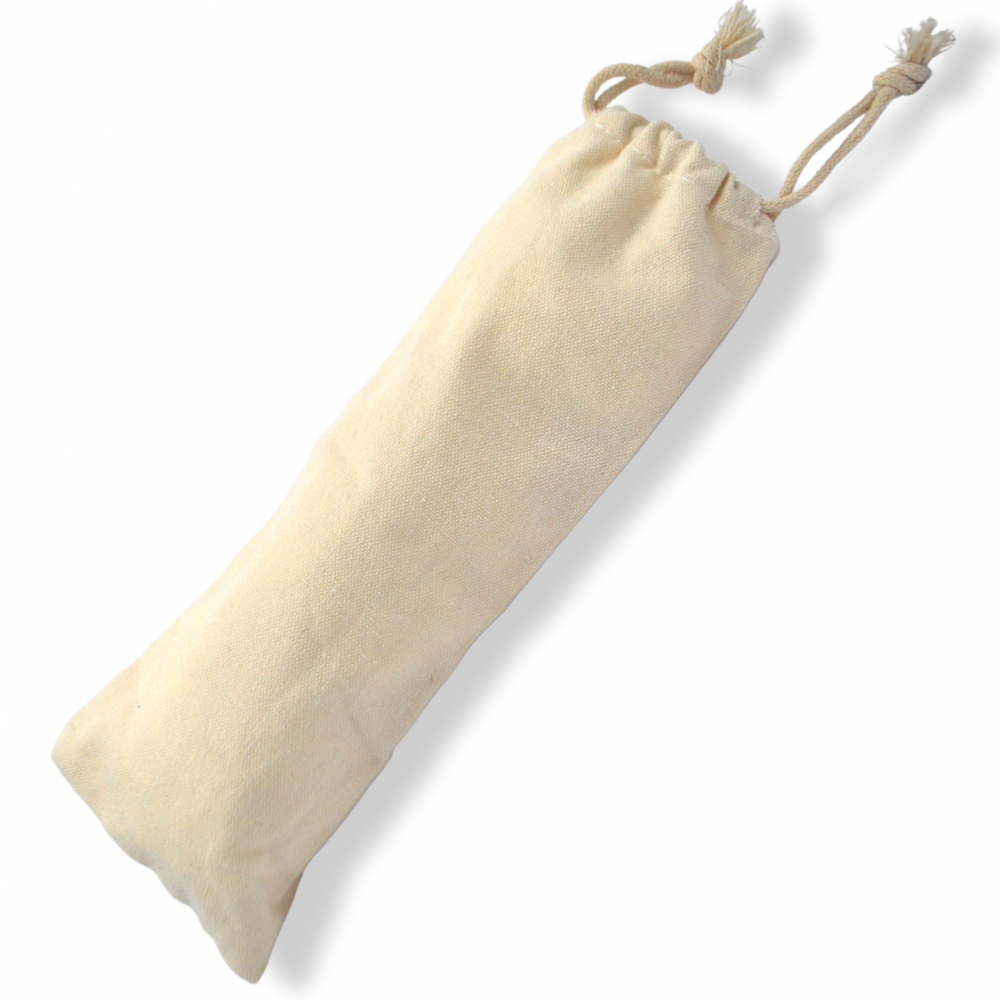
Here's a little gift to say "Welcome to the SUNNYBOD™ Family". Receive a FREE Brush Pouch & Canister Cleaning Brush with every Sunscreen Brush purchase. Stock is limited so act quickly. We don't want you to miss out!


If you have ever stood in the sunscreen aisle wondering whether SPF 30 is enough or if you should always choose SPF 50, you are not alone. It is one of the most common sun-safety questions Australians ask, and for good reason.
Australia has some of the highest UV levels in the world, and our skin cancer rates reflect that. When it comes to sunscreen, choosing the right SPF is not about trends or marketing. It is about evidence, real-world use, and Australian sun-safety standards.
Quick answer
Since August 2024, Cancer Council Australia recommends all Australians use a broad-spectrum SPF 50 or SPF 50+ sunscreen.[4] SPF 30 is not unsafe and still offers protection when used correctly, but SPF 50 starts from a higher level of UVB protection, which gives a greater margin for error in real-world conditions where most people apply too little and reapply too rarely. Whichever you choose, apply it generously, reapply every two hours, and use it alongside clothing, a hat, shade, and sunglasses.
SPF, or Sun Protection Factor, measures how well a sunscreen protects against UVB rays, the type of ultraviolet radiation responsible for sunburn. A higher SPF means a higher level of UVB protection when the sunscreen is applied correctly and generously.[1]
Broad-spectrum indicates that a sunscreen has been tested and proven to protect against both UVA and UVB rays. This is the most important sunscreen label used in Australia. While UVB rays cause burning, UVA rays penetrate deeper into the skin and contribute to premature ageing and increased skin cancer risk.[1]
In Australia, choosing a broad-spectrum sunscreen is essential.
Under laboratory testing conditions, the two filter a similar but not identical share of UVB rays.[7]
SPF 30
Filters approximately 96 to 97% of UVB rays
SPF 50
Filters approximately 98% of UVB rays
On paper, that difference may appear small. But in real-world use, especially in Australia's harsh UV environment, it becomes more meaningful, because most people:
Because SPF 50 starts at a higher level of protection, it offers a greater margin for error when sunscreen is not applied as thickly or as often as it should be. This is one of the key reasons Australian health authorities recommend a broad-spectrum SPF 50 or SPF 50+ for everyday use.[4]
In Australia, sunscreens are regulated by the Therapeutic Goods Administration (TGA), which ensures products meet strict standards for safety, SPF testing, and broad-spectrum protection.[5][6] Public health guidance is led by organisations such as Cancer Council Australia and SunSmart.
Current Australian advice:
SPF 30 is not unsafe or ineffective. However, SPF 50 is the preferred option whenever possible, particularly in Australia's high-UV conditions.
One of the biggest sunscreen misconceptions is that a higher SPF means you can apply less or skip reapplication. Unfortunately, that is not how sunscreen works.
Common sunscreen mistakes include:
Even the best sunscreen will not work properly if it is not applied thickly, evenly, and consistently.[2]
For children, the same advice applies, and arguably matters even more. Cancer Council recommends a broad-spectrum SPF 50 or SPF 50+ sunscreen for everyone, including kids.[4] Childhood and adolescent UV exposure has a significant impact on lifetime skin cancer risk, so building good habits early is worthwhile.
There are a couple of practical points worth knowing for kids specifically. Sunscreen is generally not recommended for babies under six months, who are better protected by shade and clothing, and for children with sensitive skin it is worth testing a new sunscreen on a small patch first.[2] Beyond that, the more important question for parents is usually not the SPF number but whether the sunscreen actually gets applied properly and reapplied through the day.
This is where many families struggle. Children wriggle, dislike greasy hands, and lose patience quickly, so application often ends up rushed and patchy. Choosing an SPF 50 your child will actually tolerate, and finding an application method that makes the routine quick and fuss-free, matters more in practice than the small laboratory difference between SPF 30 and SPF 50.

SUNNYBOD™ does not sell sunscreen, and that is intentional. Our focus is on helping families use sunscreen more easily, because correct application and reapplication play an important role in how well sunscreen performs.
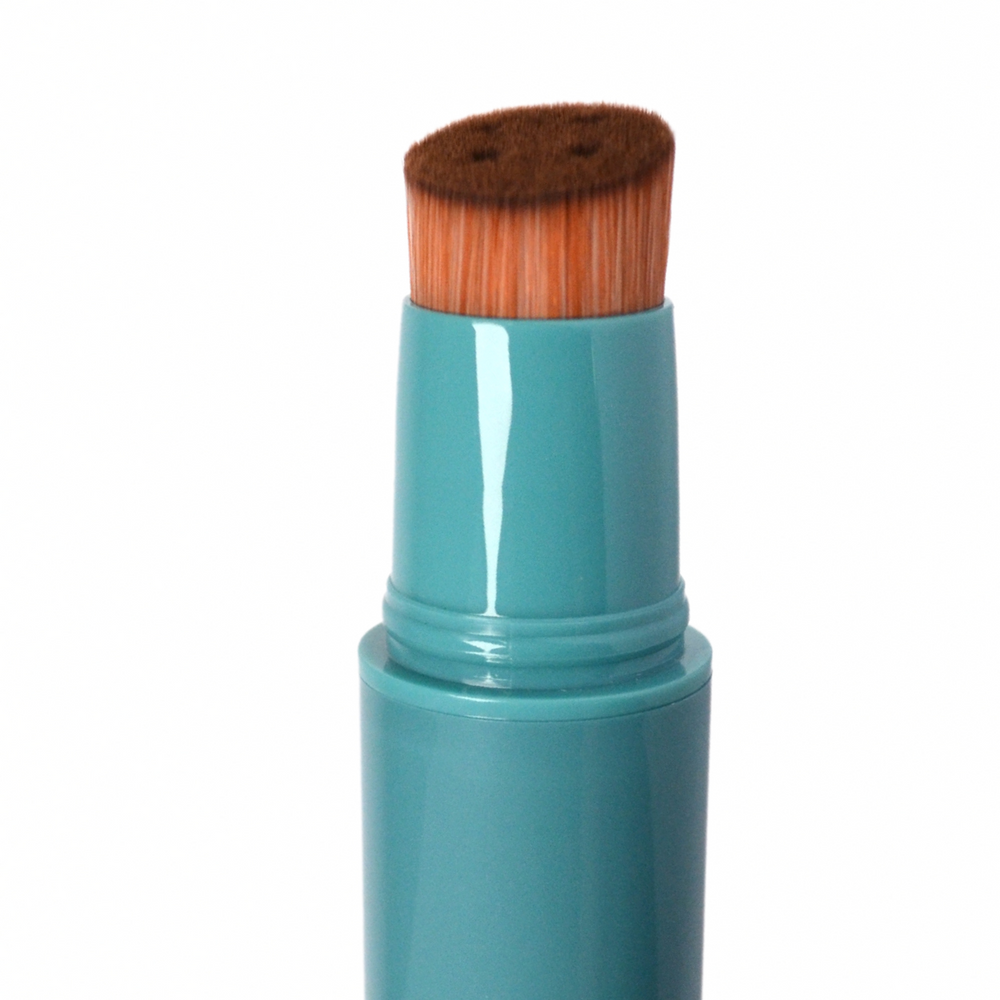
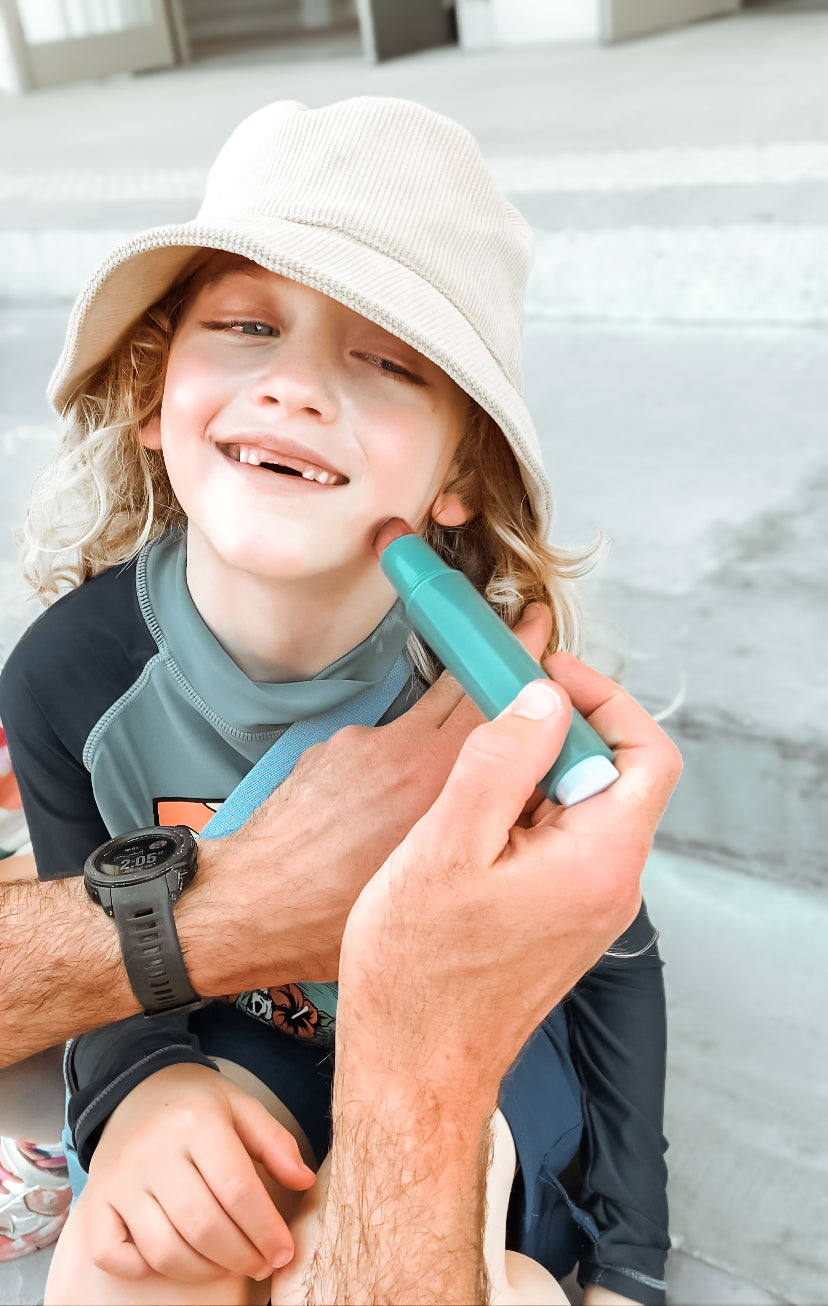
The SUNNYBOD™ refillable sunscreen applicator brush is designed to:
It is not about replacing sunscreen. It is about making good sun-safety habits easier to stick to in everyday life.
Based on current Australian evidence and public health recommendations, a broad-spectrum SPF 50 is the recommended choice for most people in Australia.[4] That said:
The best sunscreen is one that is:
Because when sun protection fits into everyday life, it is far more likely to happen, and that is what supports better sun-protection habits in the long run.
The bottom line
For most people in Australia, a broad-spectrum SPF 50 or SPF 50+ is the recommended choice, in line with current Cancer Council advice. SPF 30 still protects when used correctly, but SPF 50 gives you more of a buffer for the way sunscreen actually gets used in real life. Whichever you choose, the single most important thing is applying enough and reapplying often.
Whether you go SPF 30 or SPF 50, the real win is applying enough and reapplying often. Our refillable sunscreen applicators are designed to support simple, positive, and repeatable sun-safe habits for busy families everywhere.
Shop applicatorsReferences
1. Cancer Council Australia. About sunscreen.
2. Cancer Council Australia. Sunscreen FAQs.
3. Cancer Council Australia. Be SunSmart.
4. SunSmart (Cancer Council Victoria). Update on sunscreen SPF recommendations and FAQs.
5. Therapeutic Goods Administration (TGA). Sunscreens.
6. Therapeutic Goods Administration (TGA). Australian regulatory guidelines for sunscreens.
7. Therapeutic Goods Administration (TGA). How to choose a sunscreen.
Disclaimer: This information is provided for general guidance only and is not intended to replace medical or professional advice. Always follow sun-safety recommendations from your local health authorities. Sunscreen should be used in combination with other sun-protection measures, including protective clothing, hats, shade, and sunglasses. Consult your doctor or healthcare provider if you have questions about sunscreen use, skin sensitivities, or individual needs. Always consult your sunscreen manufacturer before transferring product from its original packaging as doing so may affect efficacy.

The #1 Beauty Brush you can't live Without!
Welcome to The SUNNYBOD™ Blog — your go-to space for sun safety tips, parenting advice, expert insights, and all things outdoors. We’re passionate about making sunscreen fun, simple, and mess-free for families and sun lovers everywhere. Explore how-to guides, get your questions answered, discover parent hacks, and learn smarter ways to protect your skin. Whether you're a beach-goer, outdoor adventurer, or everyday parent, this is your hub for staying sun-safe with confidence and ease.
Your cart is empty
Spend another $1.00 and get free shipping!