Regular price
$39.95 AUD
Sale price
$39.95 AUD
Regular price
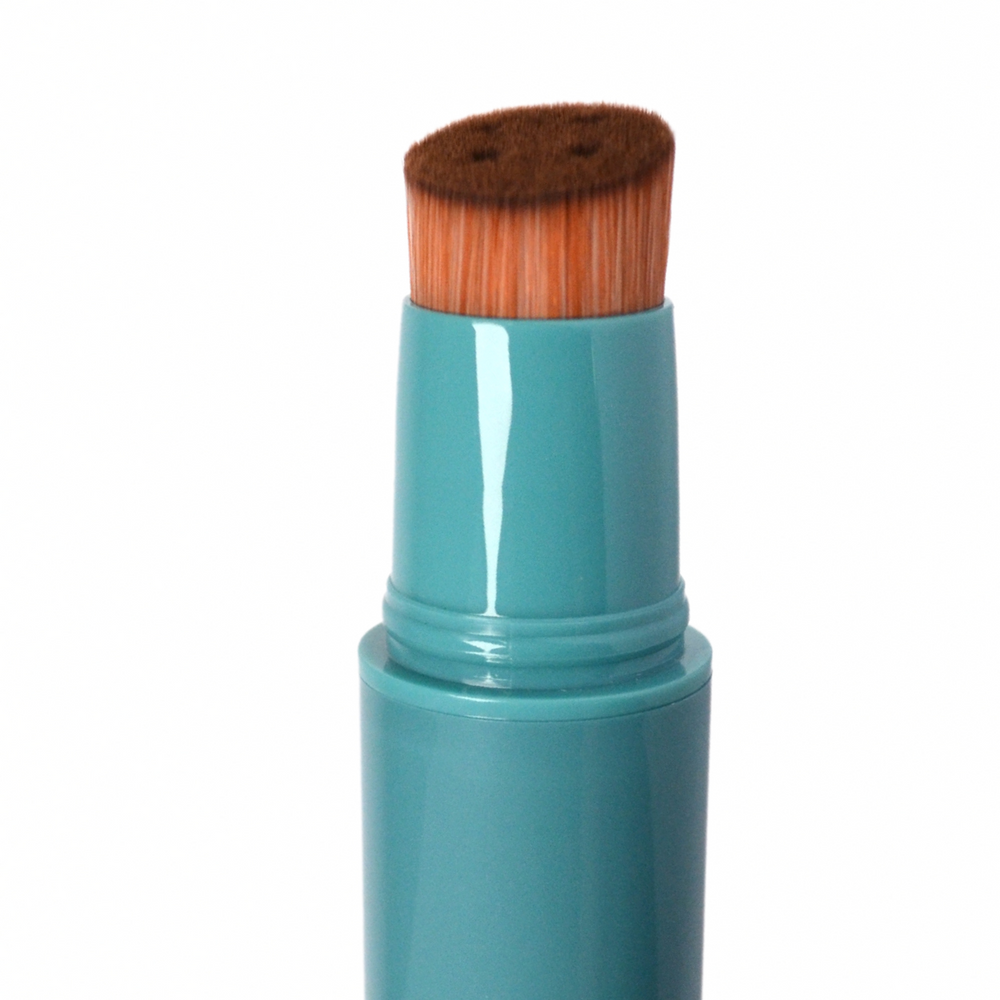
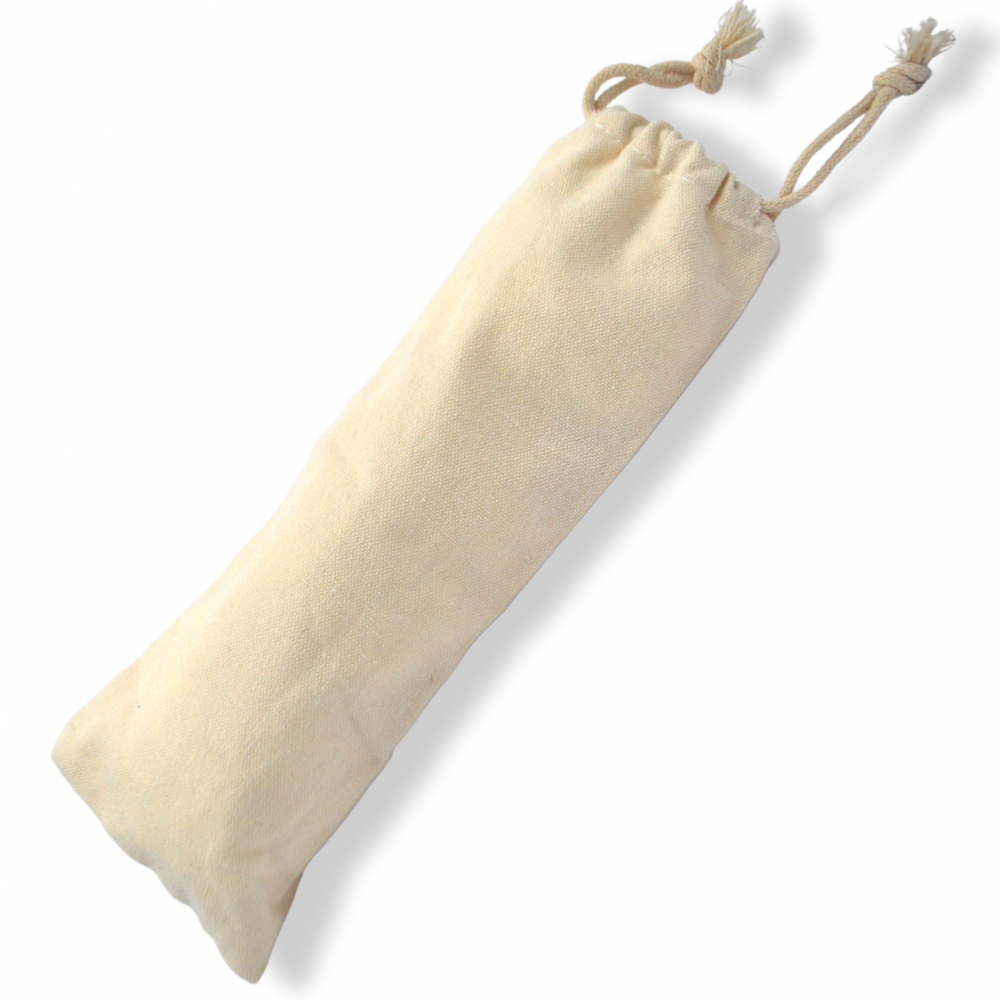
Here's a little gift to say "Welcome to the SUNNYBOD™ Family". Receive a FREE Brush Pouch & Canister Cleaning Brush with every Sunscreen Brush purchase. Stock is limited so act quickly. We don't want you to miss out!


We have all found it. A half-used bottle of sunscreen at the bottom of the beach bag, or rolling around the car boot since last summer. Before you slather it on, it is worth asking a simple question. Does sunscreen expire, and is that old bottle still protecting you?
The short answer is yes, sunscreen does expire. And in Australia, where the UV is among the strongest in the world, using sunscreen that has lost its strength is a genuine risk worth avoiding. This guide explains how long sunscreen lasts, how to tell if yours has gone off, how to store it properly, and what Australian health authorities advise.
Quick answer
Yes, sunscreen expires. Most sunscreens last around two to three years unopened, but always check the expiry date printed on the bottle. Heat shortens its life, so a sunscreen left in a hot car or beach bag can degrade well before its date. Cancer Council recommends storing sunscreen below 30°C and checking the expiry date, because product past its date or exposed to high temperatures may not give the protection stated on the label. If the colour, texture, or smell has changed, replace it.
Sunscreen does expire. Like anything with active ingredients, those ingredients break down over time, which gradually reduces how well the product protects your skin. Most sunscreens have a shelf life of around two to three years when stored correctly, though the exact period varies by product.
In Australia, sunscreen is regulated by the Therapeutic Goods Administration as a therapeutic good, and products carry an expiry date you can rely on.[1] The simplest way to know whether your sunscreen is still good is to find that date on the bottle.
There is also a practical point worth making. If you are applying sunscreen as generously and as often as recommended, a bottle should not last all that long in the first place. Cancer Council recommends around 35mL, about seven teaspoons, for a full-body adult application, reapplied every two hours.[2] If a single bottle is lasting you several summers, it is a sign you are probably not using enough.
The expiry date is usually printed or stamped on the packaging. Common places to look include:
Some products also show a small open-jar symbol with a number and the letter M (for example, 12M), which tells you how many months the product stays good after opening. If you cannot find a date, a sensible habit is to write the month and year you opened it on the bottle with a marker, so you are not guessing later.
Once sunscreen passes its expiry date, the active ingredients can break down and the product may no longer provide the SPF stated on the label.[3] The texture can separate and preservatives can degrade, all of which reduce how well it performs.
The real risk is not the sunscreen itself, it is the false sense of security. If you believe you are protected by an SPF 50 that has actually lost much of its strength, you may spend longer in the sun unprotected, which raises the risk of sunburn and, over time, skin damage. In a country with Australia's UV levels, that is exactly the situation to avoid. If in any doubt, replace it.
Even within its date, sunscreen that has been through a rough summer can spoil early. Signs it is time to throw it out include:
If your sunscreen shows any of these, replace it, even if the printed date has not passed. When a product has separated, mixing it back together does not restore its protection.
Of all the warning signs, separation is the one to take most seriously. When a sunscreen splits into layers, with liquid pooling away from the rest of the product, the UV-filtering ingredients are no longer evenly distributed. That means the SPF you actually apply can be lower and less reliable than the label states, even if the bottle has not technically expired.
This is not a hypothetical concern in Australia. Over recent years the Therapeutic Goods Administration has recalled a number of sunscreen products specifically because batches showed signs of separation that could affect their SPF performance.[5] In those cases consumers were advised to stop using the affected product and return it for a refund or replacement.
The practical takeaway for your own bathroom cabinet is simple. If a product has separated and will not blend back into a smooth, even consistency, do not rely on it, regardless of the date on the bottle. It is also worth occasionally checking the TGA's safety alerts for the brands you use, as recalls are usually specific to certain batches rather than the whole product line.
Heat is the biggest enemy of sunscreen's shelf life, and it is the reason an Australian summer can ruin a bottle long before its expiry date. Cancer Council specifically recommends storing sunscreen below 30°C, and notes that products exposed to higher temperatures, or past their expiry date, will not give you proper protection against UV radiation.[4]
The classic mistake is leaving sunscreen in the car. A parked car in an Australian summer can climb well past 30°C inside, cooking the product through. A few simple storage habits help it last:
The Australian rule of thumb
Store sunscreen below 30°C, keep it out of the car, and check the expiry date before summer. If it has spent a hot season in a beach bag or boot, replace it, regardless of the date.
If you use a refillable applicator like the SUNNYBOD™ Sunscreen Applicator, the same expiry and heat rules apply to the sunscreen inside it. An applicator is a way to apply sunscreen, not a way to preserve it, so the product in the canister can degrade just like product in a bottle.
A few simple habits keep things fresh:
For the full routine, see our guide on how to clean a sunscreen applicator. Always follow your sunscreen manufacturer's instructions, including before transferring product from its original packaging.
The main problem with expired sunscreen is reduced protection, not skin damage. That said, as a product ages and its preservatives break down, it can be more prone to harbouring bacteria, and the changed formula may be more likely to cause irritation or a breakout for some people, particularly on the face or on sensitive skin.[6]
If you have sensitive skin and notice stinging, redness, or a rash from a sunscreen you have had for a while, the age of the product could be a factor. Switch to a fresh bottle, and if irritation continues, speak to your doctor or a pharmacist. For more on choosing gentler formulas, see our guide to sunscreen for sensitive skin.
Yes. Any product that carries an SPF rating relies on the same kind of active ingredients as sunscreen, and those ingredients break down over time in exactly the same way. That includes SPF foundations and tinted moisturisers, BB creams, SPF lip balms, and SPF setting sprays. Each has its own expiry date and its own shelf life once opened.
It is worth remembering, too, that Cancer Council advises using a dedicated sunscreen as your main protection rather than relying on the SPF in cosmetics, which is rarely applied thickly enough to deliver the rating on the label.[2] An expired SPF lip balm or foundation offers even less, so check those dates as part of the same habit.
Both types expire, and both should be treated the same way when it comes to checking the date and storing them below 30°C.[4] The active ingredients in chemical sunscreens break down over time, which is the main driver of their expiry. Mineral sunscreens, which use zinc oxide or titanium dioxide, can be more prone to the separation and texture changes described above, since the mineral particles can settle and the formula can split if it is old or has been through heat.
In practice, the advice is identical for both. Check the expiry date, store it cool, and watch for changes in colour, texture, and smell. If you want a fuller comparison of how the two types work and which might suit your family, see our guide to chemical vs mineral sunscreen.
If it is still within its expiry date, has been stored below 30°C, and looks, feels, and smells normal, last year's sunscreen is generally fine.[4] If it spent the summer in a hot car or beach bag, or shows any change in colour, texture, or smell, replace it.
Most sunscreens last around two to three years, but opening and heat exposure can shorten that. Check for an open-jar symbol with a number and an M (such as 12M), which indicates how many months it stays good after opening, and store it below 30°C.[4]
It should not be relied on. Once expired, the active ingredients may have broken down and the product may not deliver the SPF on the label.[3] Because you cannot tell by looking how much protection remains, the safe approach is to replace it rather than risk a sunburn.
Yes. A car in an Australian summer can get extremely hot inside, well above the 30°C Cancer Council recommends as the storage limit.[4] Repeated heat exposure breaks sunscreen down faster, so keep it indoors and only take what you need with you, kept in the shade.
The bottom line
Sunscreen does expire, usually within two to three years, and heat makes it expire faster. Check the date on the bottle, store it below 30°C and out of the car, and throw it out if the colour, texture, or smell has changed. In Australia's strong UV, applying sunscreen that has quietly lost its strength leaves you exposed, so when in doubt, replace it. The same rules apply to sunscreen in a refillable applicator, so refill from a fresh bottle and keep it cool.
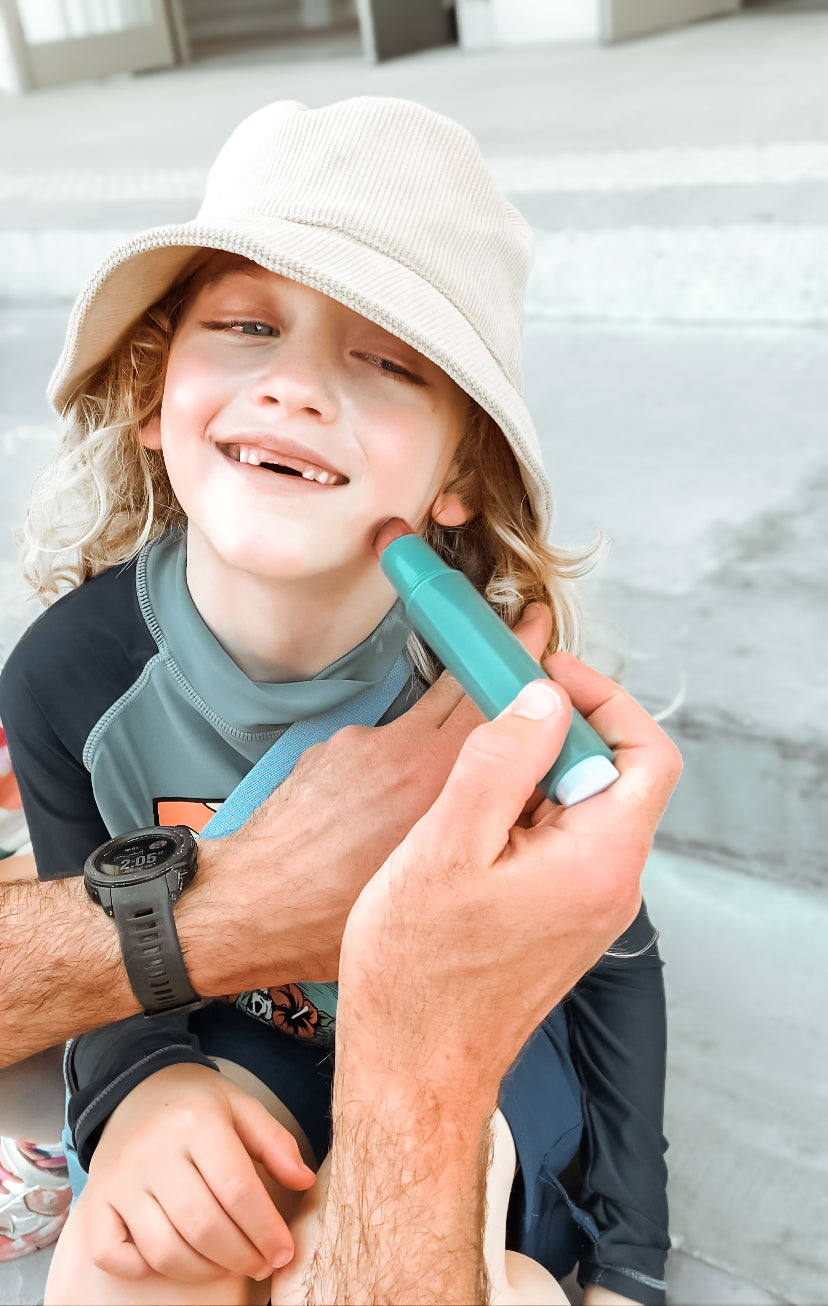
The SUNNYBOD™ refillable sunscreen applicator brush lets you fill from your favourite in-date SPF 50+ and apply it cleanly, hands-free. Keep it cool, refill from fresh, and make daily sun protection easy for the whole family.
Shop applicatorsReferences
1. Therapeutic Goods Administration. Sunscreens information for consumers.
2. Cancer Council Australia. Advice on how to choose, apply and store sunscreen.
3. Therapeutic Goods Administration. Safe use of sunscreens.
4. Cancer Council Australia. Sunscreen.
5. Therapeutic Goods Administration. Sunscreens (recalls and safety information).
6. American Academy of Dermatology. When to toss your makeup and sunscreen.
Disclaimer: This information is provided for general guidance only and is not intended to replace medical or professional advice. Always follow sun-safety recommendations from your local health authorities. Sunscreen should be used in combination with other sun-protection measures, including protective clothing, hats, shade, and sunglasses. Consult your doctor or healthcare provider if you have questions about sunscreen use, skin sensitivities, or individual needs. Always consult your sunscreen manufacturer before transferring product from its original packaging as doing so may affect efficacy.


The #1 Beauty Brush you can't live Without!
Welcome to The SUNNYBOD™ Blog — your go-to space for sun safety tips, parenting advice, expert insights, and all things outdoors. We’re passionate about making sunscreen fun, simple, and mess-free for families and sun lovers everywhere. Explore how-to guides, get your questions answered, discover parent hacks, and learn smarter ways to protect your skin. Whether you're a beach-goer, outdoor adventurer, or everyday parent, this is your hub for staying sun-safe with confidence and ease.
Your cart is empty
Spend another $1.00 and get free shipping!