Regular price
$39.95 AUD
Sale price
$39.95 AUD
Regular price
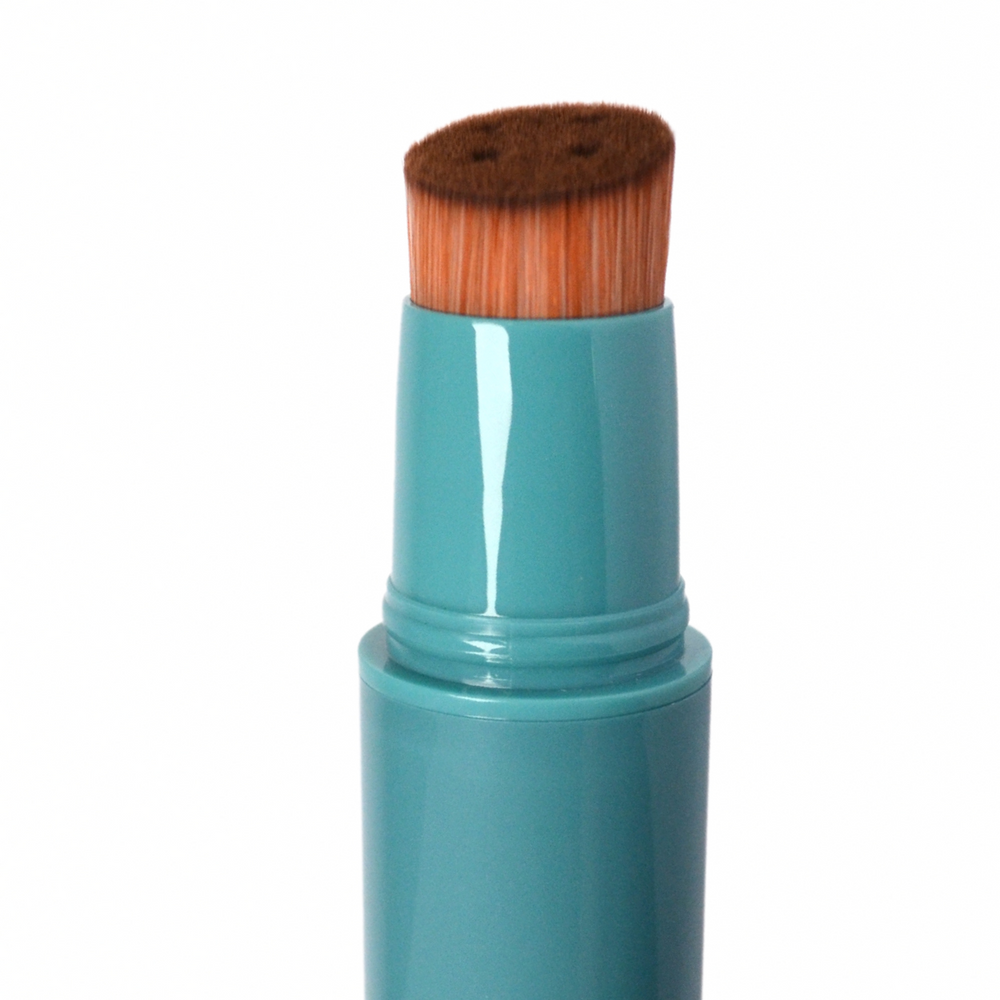
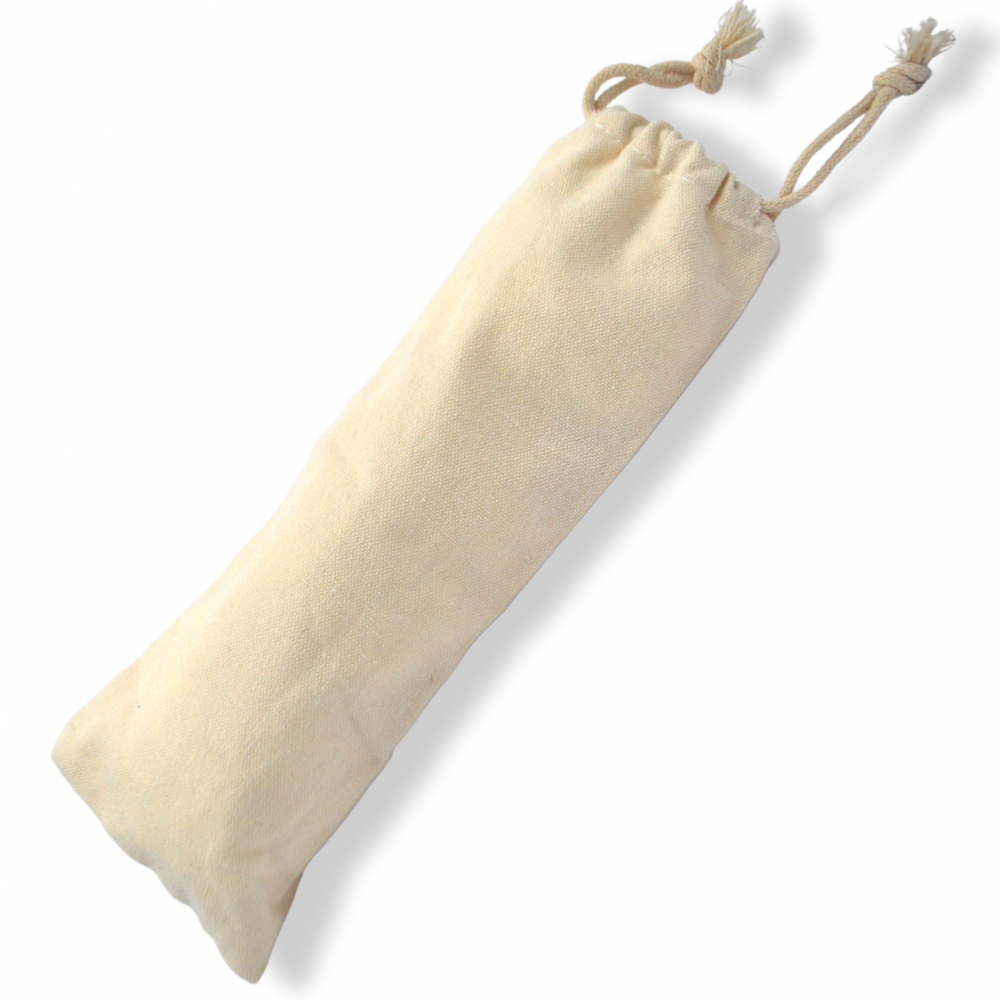
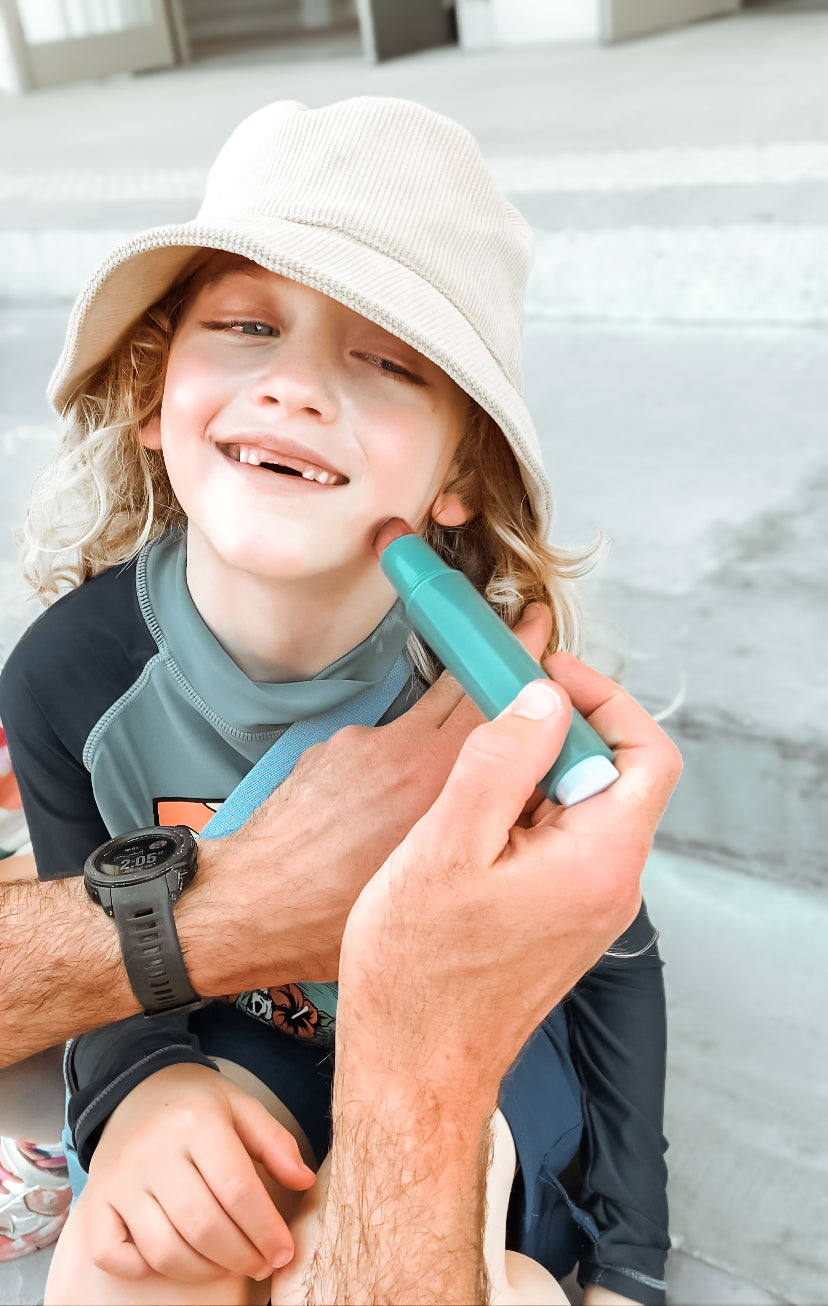
Here's a little gift to say "Welcome to the SUNNYBOD™ Family". Receive a FREE Brush Pouch & Canister Cleaning Brush with every Sunscreen Brush purchase. Stock is limited so act quickly. We don't want you to miss out!


If you've ever stood in front of the mirror wondering, "Do I put sunscreen on before or after moisturiser?" you're not alone. This is one of the most common skin-care questions out there, and the answer matters more than you might think in Australia, where 2 in 3 people will be diagnosed with skin cancer in their lifetime.1
This guide is written for real mornings and real life, using Australian sun-safety principles and the behaviours that matter most: using enough product, achieving even coverage, and reapplying when needed.
Quick answer (Australian sun-safety guidance)
In Australia, moisturiser should be applied first and sunscreen should be applied last in your morning routine. Sunscreen needs to form the final protective layer on the skin and must be reapplied during the day to maintain protection.1 2 3
The confusion isn't because people don't care about sun protection. It comes from mixing two very different types of advice. Most skincare content is built around cosmetic logic: absorption, texture, layering, and finish. Sun-safety guidance in Australia is built around public-health logic, reducing UV exposure through correct use and ongoing protection.
Australian authorities consistently highlight that many people apply too little sunscreen and don't reapply, which significantly reduces protection in real-world conditions.1 5 When sunscreen is treated like "just another skincare step", the behaviours that actually determine protection are easily missed.
Sunscreen reduces the amount of ultraviolet (UV) radiation that reaches living skin cells. UV radiation comes in two main forms that reach our skin: UVA, which penetrates deeply and causes premature ageing and some skin cancers, and UVB, which causes sunburn. A broad-spectrum sunscreen protects against both.5
To work effectively, sunscreen must be applied evenly, in a sufficient amount, and remain on the skin as a relatively undisturbed layer. That even film is what reduces UV exposure, which is why coverage and reapplication matter so much.5 1
Over time, UV exposure, sweating, friction, water, and everyday movement reduce sunscreen's effectiveness. This is why Australian guidance is clear: apply sunscreen 20 minutes before going outdoors and reapply every two hours when outside, and immediately after swimming, sweating, or towel-drying.1 2 Chemical vs Mineral Sunscreen
Moisturiser and sunscreen serve different purposes. Moisturiser supports hydration and the skin barrier and is designed to absorb into the skin. Sunscreen acts as a protective layer at the skin's surface.
Applying sunscreen after moisturiser allows the moisturiser to absorb first, then allows sunscreen to form a more even and predictable film. From a sun-safety perspective, this supports consistency of coverage and reliability of protection.2 In simple terms: skincare first, sunscreen last.
When sunscreen is applied first and moisturiser is layered over the top, the protective film can be disrupted. Moisturisers are not tested to sit over sunscreen, and adding another product on top introduces variability in how evenly the sunscreen remains distributed. Australian sun-safety guidance does not recommend placing other skincare products over sunscreen in the morning routine, because sunscreen's role is to act as the final protective barrier.1
No. Whether you use a chemical sunscreen (which absorbs and converts UV energy) or a mineral sunscreen (which reflects and scatters UV rays using zinc oxide or titanium dioxide), the application order stays the same.5 3 Australian sun-safety guidance does not set different layering rules based on sunscreen type. The focus remains on using enough product, covering all exposed skin, and reapplying regularly.1

Many overseas skincare articles treat sunscreen as a cosmetic product. In Australia, sunscreen is regulated differently. The Therapeutic Goods Administration (TGA) regulates most sunscreens as therapeutic goods, assessing them for safety, quality, and effectiveness before they can be legally sold.4 You can verify that a sunscreen is approved for sale in Australia by checking for an 'AUST L' number on the label.2
Australia also experiences some of the highest UV levels in the world, which is why Australian advice prioritises behaviours that actually reduce UV exposure over cosmetic routine complexity.
This is where most people go wrong. Cancer Council Australia recommends around 35 mL (approximately 7 teaspoons) for a full-body application for an average adult, roughly one teaspoon per body part: arms, legs, front, back, and face, neck and ears.1 Most people apply far less than this, which significantly reduces the SPF protection they actually receive.5
Australian guidance recommends reapplying sunscreen every two hours when outdoors, and after swimming, sweating, or towel-drying.2 3 Reapplication is what maintains protection. Even the best SPF 50+ sunscreen degrades with UV exposure, sweat, and movement, and no sunscreen blocks 100% of UV radiation or lasts all day without reapplication.5
Later in the day, the focus shifts away from routine order and toward maintaining protection. When sunscreen needs to be reapplied, it must be applied over whatever is already on the skin, which may include skincare products or makeup. The requirement to reapply does not change; only the context does.2
A moisturiser with SPF can offer some protection, but there is an important catch: cosmetic products such as moisturisers with SPF do not undergo the same rigorous testing required for sunscreens in Australia and may not provide reliable sun protection.3 On top of that, most people apply far too little to get anywhere near the labelled SPF and do not reapply throughout the day.1 5 A dedicated sunscreen is therefore generally needed for reliable everyday protection.
Not all sunscreens are equal. For maximum protection, Cancer Council Australia recommends choosing a sunscreen that is SPF 50 or SPF 50+, broad-spectrum (protecting against both UVA and UVB radiation), and water-resistant.1
One important note from Cancer Council: aerosol sprays are not recommended. Studies have found that typical Australian beach conditions (wind of around 20 km/h) can cause up to 93% of sunscreen to be lost during spray application, making it very difficult to achieve adequate protection. Creams and lotions are easier to apply evenly and give more reliable coverage.1
The one thing to remember
Sunscreen is a protective layer, not just skincare.
In the morning, it goes on after moisturiser. During the day, protection depends on reapplication every two hours.1 2
Sources
1. Cancer Council Australia – How to choose, apply and store sunscreen
2. SunSmart (Cancer Council Victoria) – Protect your skin
3. Healthdirect Australia – Sunscreen
4. Therapeutic Goods Administration (TGA) – Sunscreens overview
5. Australasian College of Dermatologists – Sun protection and sunscreens
Disclaimer: This information is provided for general guidance only and is not intended to replace medical or professional advice. Always follow sun-safety recommendations from your local health authorities. Sunscreen should be used in combination with other sun-protection measures, including protective clothing, hats, shade, and sunglasses. Consult your doctor or healthcare provider if you have questions about sunscreen use, skin sensitivities, or individual needs. Always consult your sunscreen manufacturer before transferring product from its original packaging as doing so may affect efficacy.
The #1 Beauty Brush you can't live Without!
Welcome to The SUNNYBOD™ Blog — your go-to space for sun safety tips, parenting advice, expert insights, and all things outdoors. We’re passionate about making sunscreen fun, simple, and mess-free for families and sun lovers everywhere. Explore how-to guides, get your questions answered, discover parent hacks, and learn smarter ways to protect your skin. Whether you're a beach-goer, outdoor adventurer, or everyday parent, this is your hub for staying sun-safe with confidence and ease.
Your cart is empty
Spend another $1.00 and get free shipping!