Regular price
$39.95 AUD
Sale price
$39.95 AUD
Regular price
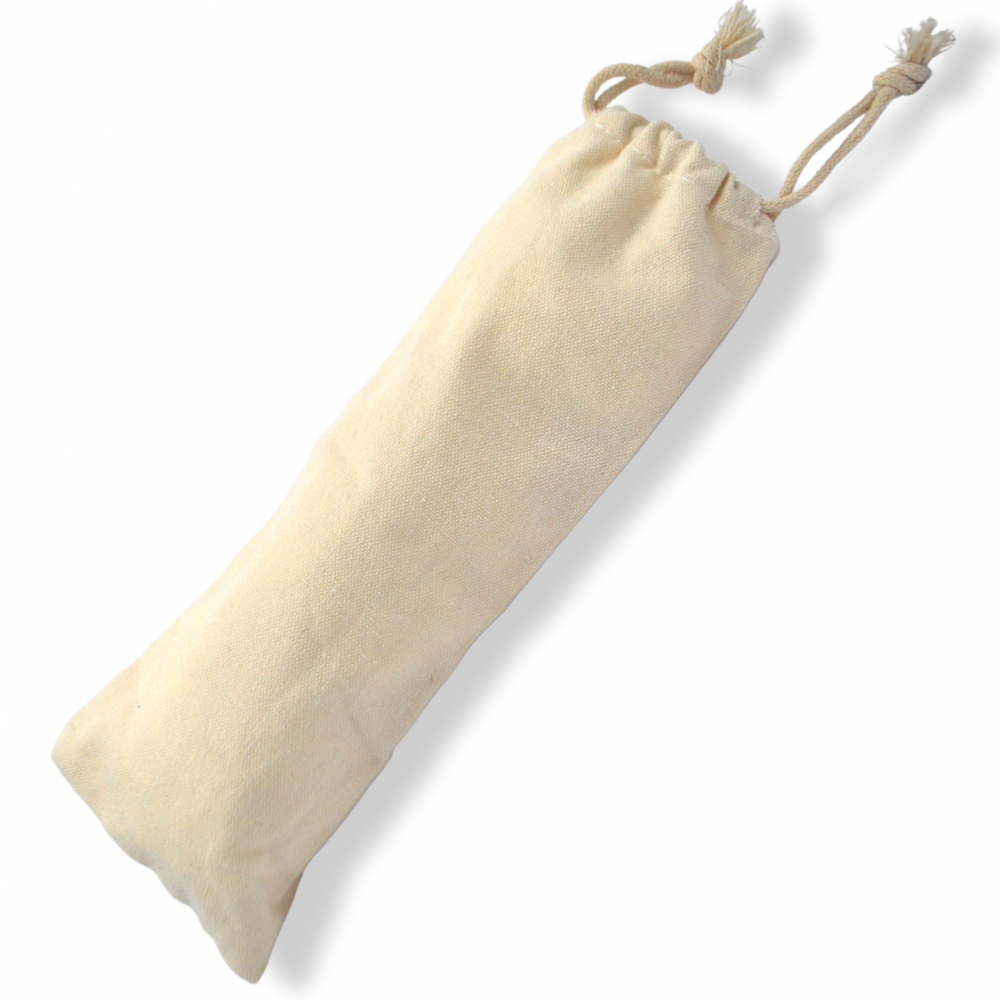
Here's a little gift to say "Welcome to the SUNNYBOD™ Family". Receive a FREE Brush Pouch & Canister Cleaning Brush with every Sunscreen Brush purchase. Stock is limited so act quickly. We don't want you to miss out!


Most families know sunscreen matters. The problem isn't awareness. It's that knowing something and doing it consistently are two very different things. When it comes to sunscreen, the gap between the two is where skin damage happens.
Australia has one of the highest rates of skin cancer in the world. Cancer Council Australia reports that at least 2 in 3 Australians will be diagnosed with skin cancer in their lifetime, and UV radiation is responsible for more than 95% of all skin cancers in this country.[1] That is not a statistic that gets easier to read as a parent.
The good news is that sunscreen, used correctly, is genuinely effective. Research shows that consistent, correct sunscreen use reduces the risk of melanoma and other skin cancers significantly.[1] The word "correctly" is doing a lot of work in that sentence. This guide covers exactly what correct looks like, and how to make it stick as a daily habit for the whole family.
Quick answer
Apply a broad-spectrum SPF 50+ sunscreen generously to all exposed skin at least 20 minutes before going outside. Use approximately 35mL (7 teaspoons) for a full adult body application. Reapply at least every two hours, and immediately after swimming, sweating, or towelling dry. Always use sunscreen alongside other sun protection measures including a broad-brimmed hat, UV-protective clothing, shade, and sunglasses. Sunscreen is needed any time the UV index reaches 3 or above.
UV radiation is the invisible component of sunlight that causes damage to skin cells. Unlike heat, which you can feel, UV radiation is present even on cool and overcast days. It is the UV index, not the temperature or cloud cover, that determines your risk on any given day.
There are two types of UV radiation that affect our skin. UVA rays penetrate deep into the skin and are responsible for long-term damage including premature ageing, pigmentation changes, and contribution to skin cancer. UVB rays affect the outer layers of the skin and are the primary cause of sunburn and a major driver of skin cancer development.[2]
This is why broad-spectrum sunscreen matters. A sunscreen that only blocks UVB protects against sunburn but leaves skin exposed to the deeper, longer-term damage caused by UVA. Broad-spectrum formulas address both.
Sun damage also accumulates over a lifetime. Every unprotected exposure adds to a cumulative total, which is why building consistent sun safety habits in childhood is one of the most meaningful things a parent can do for their child's long-term health.
Cancer Council Australia recommends applying sunscreen whenever the UV index reaches 3 or above.[1] This is a more reliable guide than time of day or season, because UV levels vary by location, season, time of day, and cloud cover in ways that can be surprising.
In most parts of Australia, the UV index reaches 3 or above on the majority of days throughout the year, including winter and overcast days. In summer across most of the country, UV levels can reach extreme levels well above 10, meaning the risk is significantly higher than many people appreciate.
The UV index for your location is available daily through the SunSmart app and the Bureau of Meteorology. Checking it takes seconds and takes the guesswork out of when protection is needed.
In Australia, all sunscreens sold as primary sun protection products are regulated by the Therapeutic Goods Administration (TGA) as therapeutic goods, meaning they must meet strict standards for safety and efficacy before being sold.[5] Cancer Council Australia recommends choosing a sunscreen that is SPF 50 or SPF 50+, broad-spectrum, and water-resistant.[3]
There are two broad categories of sunscreen formulation available in Australia.
Chemical sunscreens contain organic compounds that absorb UV radiation at the skin's surface and convert it to heat, which is then released. They tend to be lighter in texture and are generally easier to apply without leaving a white residue. Some chemical filter ingredients can penetrate the outer layers of skin in certain conditions, which is why the TGA actively monitors their safety and concentration levels. All chemical sunscreens sold in Australia are TGA-approved and considered safe to use.[5]
Mineral sunscreens use zinc oxide or titanium dioxide to reflect and scatter UV radiation away from the skin. They sit on the skin's surface and do not penetrate the skin. They are generally well-suited to sensitive skin types and are widely used for children.
Both types are effective when used correctly. Cancer Council's consistent advice is that the best sunscreen is the one you will actually use, applied generously and regularly.[3] Personal preference, skin type, and the activity you're doing are all reasonable factors in choosing which type to use.
For a deeper look at the differences between chemical and mineral sunscreens, including how to choose for your child's skin type, see our dedicated guide: Chemical vs Mineral Sunscreen: What Parents Actually Need to Know.
Getting sunscreen on is only half the equation. Getting it on correctly is what actually determines your level of protection. Here is the step-by-step process recommended by Australian health authorities.
Sunscreen adheres better and performs more reliably when applied to clean, dry skin. If you are using moisturiser or insect repellent, apply sunscreen first and allow it to absorb before applying anything else on top.
Australian guidance consistently recommends applying sunscreen at least 20 minutes before sun exposure.[3] This gives the sunscreen time to form a protective layer on the skin. Applying at the last minute in the car, or immediately before hitting the beach, reduces how effectively it will work.
This is where most people fall short. Research consistently shows that Australians apply far less sunscreen than they should, which significantly reduces real-world protection.[6] The SPF number on a bottle is measured in laboratory conditions using a precise amount of product. Apply less than that and you receive less protection than the label suggests.
Cancer Council Australia recommends approximately 35mL for a full adult body application. As a practical guide, that breaks down as follows.[3]
That is 7 teaspoons in total. Most people use a fraction of that. If your bottle of sunscreen is lasting weeks with daily full-body use, you are almost certainly under-applying.
Gaps in application are gaps in protection. The areas most commonly missed are also the areas most frequently affected by skin cancer. These include:
This is one of the reasons a refillable brush applicator, like the SUNNYBOD™ brush, can make a practical difference to families. The brush head reaches the ears, hairline, and around the nose and eyes with precision that hands and palms simply can't match, and without the mess.
A two-coat approach is one of the most practical ways to address the under-application problem. Applying a first coat and then a second ensures better and more thorough coverage, particularly on children who won't stay still long enough for a careful single application.
Even SPF 50+ sunscreen does not block 100% of UV radiation. SPF 50+ filters approximately 98% of UVB rays, meaning 2% still reaches the skin.[5] This is why sunscreen is always one part of a sun protection routine, not the whole thing.
No sunscreen lasts all day. Sweat, water, towelling, and time all degrade sunscreen's protective layer on the skin. Australian guidance is clear that sunscreen must be reapplied at least every two hours when outdoors, and immediately after swimming, sweating, or towelling dry.[4]
Reapplication is where most families fall short. The initial morning application is easy enough to remember. But the reapplication at the beach two hours later, or at half-time during sport, or during a school excursion, is where protection quietly breaks down.
Water-resistant sunscreen provides some additional protection during water activities, but it still needs to be reapplied after towelling dry. "Water-resistant" does not mean "waterproof" or "all day." The TGA requires Australian sunscreen labels to include reapplication instructions and prohibits any claim suggesting the product does not need to be reapplied.[5]
One of the most effective things you can do to improve reapplication rates is to make it easy. A compact, portable refillable applicator that fits in a pocket or a child's school bag removes the main logistical barrier. If applying sunscreen requires fishing through a beach bag for a sticky, sandy bottle, it will get skipped. If it takes only minutes with a brush you're already carrying, it's less likely to be missed.
Everything above applies to children, with a few additional considerations. Cancer Council Australia recommends SPF 50 or higher, broad-spectrum, water-resistant sunscreen for children, applied to all exposed skin.[7]
For babies under 6 months, the Australasian College of Dermatologists recommends minimising sunscreen use due to the sensitive nature of infant skin.[8] For very young infants, shade, protective clothing, and hats are the primary protection methods. If sunscreen must be used on an infant under 6 months, consult a healthcare professional first.
For toddlers and older children, the practical challenge is often compliance rather than product choice. Children who find sunscreen cold, greasy, or uncomfortable on their skin will resist it, and the daily battle wears parents down until the habit breaks entirely.
A few things that genuinely help with applying sunscreen to children.
For more detail on making sunscreen routines work for kids, including strategies for sensory-sensitive children, see our post: How to Make Sunscreen Fun for Kids.
As covered above, most people apply significantly less sunscreen than is needed for the SPF rating to hold. The 7-teaspoon rule is a useful benchmark. If in doubt, use more rather than less.
A morning application without reapplication offers very limited protection for a full day outdoors. Every two hours is the minimum. The more portable and convenient your sunscreen format, the more likely reapplication actually happens.
Cosmetics with SPF provide some protection, but they are rarely applied in sufficient quantities to deliver the stated SPF. They can be a useful addition on top of a primary sunscreen, but they are not a substitute for it. Cancer Council recommends using a primary sunscreen, not a cosmetic product, as your main protection.[3]
Ears, neck, hairline, and the backs of the hands are frequently missed and are also frequently the sites of skin cancers. A brush applicator helps with precision on these areas.
Sunscreen has an expiry date for good reason. Over time and with heat exposure, the active ingredients degrade and the product becomes less effective. Always check the expiry date, and store sunscreen below 30°C. A sunscreen left in a hot car through an Australian summer may no longer perform as labelled.[3]
Cloud cover does not stop UV radiation. Wind and cool temperatures do not stop UV radiation. Sunscreen is important on days when you are playing in the snow, skiing, or simply enjoying the winter sun. Check the UV daily and apply sunscreen whenever it reaches 3 or above, regardless of how the day looks or feels.[1]
Australian sun safety guidance consistently emphasises that no single measure provides complete protection. SunSmart recommends the Slip, Slop, Slap, Seek, Slide approach because layering multiple protection methods is significantly more effective than relying on sunscreen alone.[4]
The science of sunscreen is well understood. The challenge is human behaviour. Habits form when they are easy, consistent, and positive. The more friction there is in a routine, the more likely it will be dropped, especially on busy mornings with children who have opinions about sunscreen.
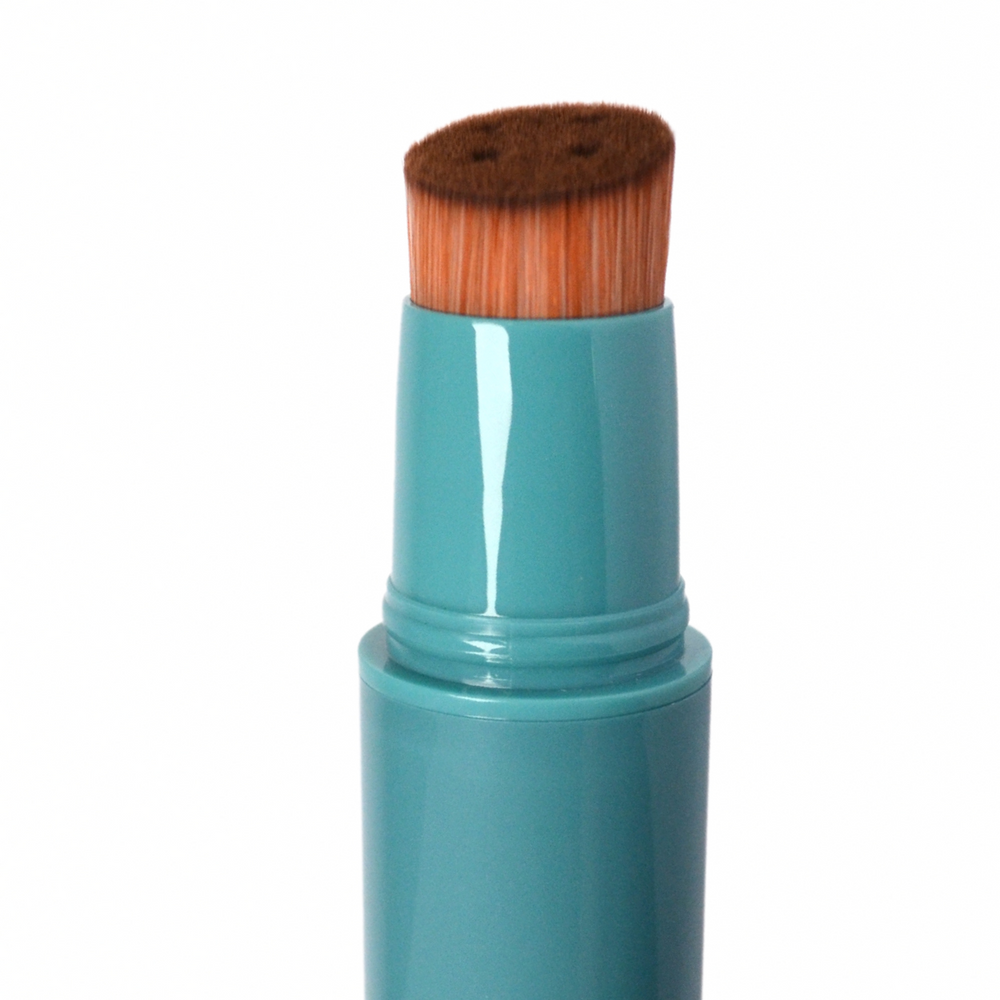
This is the thinking behind SUNNYBOD™. A refillable sunscreen applicator brush that holds your chosen SPF 50+ sunscreen, dispenses it cleanly through a pump directly onto soft bristles, and lets you apply to the whole family's face, neck, ears, and body without greasy hands, mess, or a battle. It fits in a pocket or school bag for easy reapplication throughout the day.
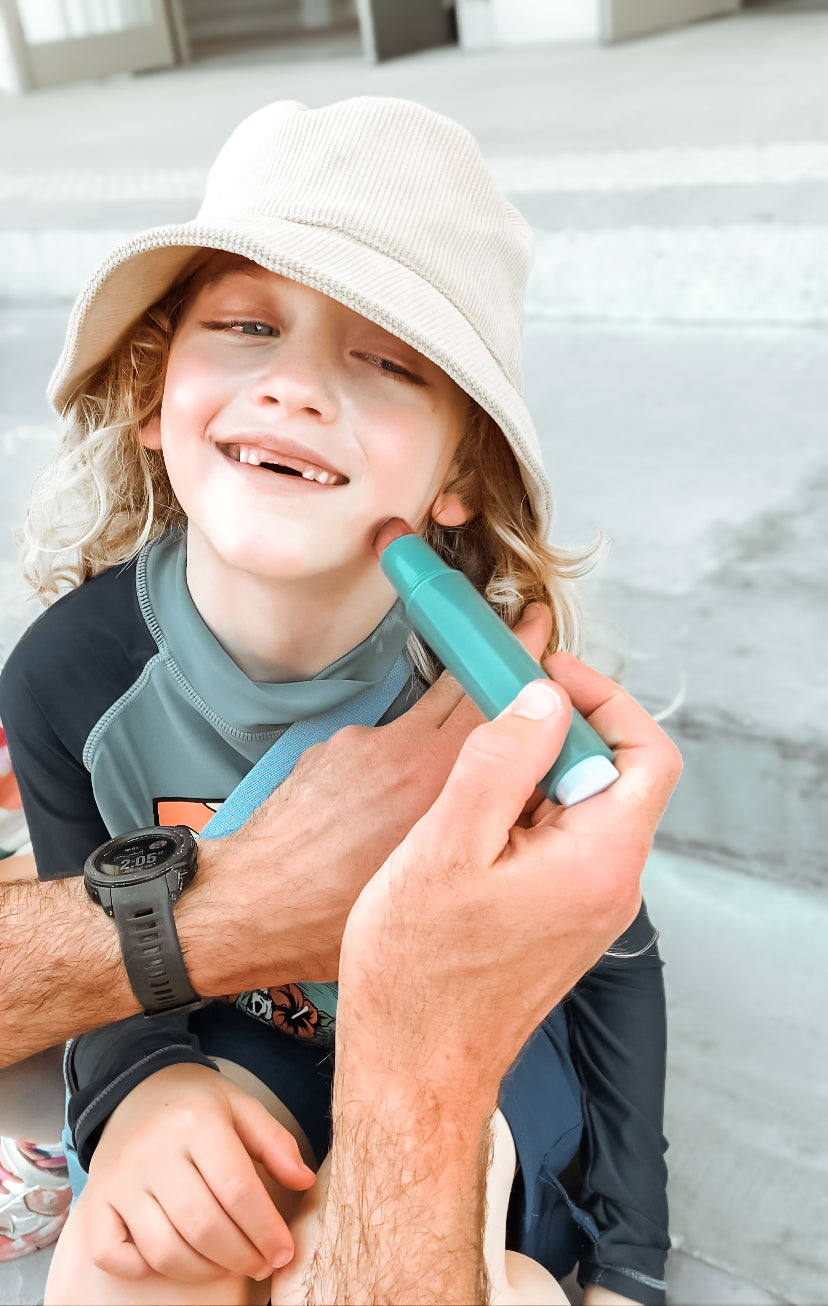
For families where sunscreen has felt like a daily fight, the applicator format genuinely changes the dynamic. Kids who resisted lotion applied by hand often accept a brush with minimal complaint. And when reapplication takes only minutes, it actually happens.
The bottom line
Sunscreen works. Used correctly, it is one of the most effective tools Australian families have against skin cancer. But the gap between knowing that and doing it consistently every day is where most protection is lost.
Use SPF 50+, broad-spectrum, water-resistant sunscreen. Apply it 20 minutes before going outside. Use enough of it. Cover every exposed area. Reapply every two hours. And make it as easy as possible so your family will actually do it, every single day.
Ready to make sunscreen part of your family's everyday routine?
The SUNNYBOD™ Refillable Sunscreen Applicator Brush is designed for real Australian family life. Mess-free, quick, and kid-approved. Fill it with your favourite SPF 50+ sunscreen and you're ready to go.
References
1. Cancer Council Australia. Sunscreen.
2. Cancer Council Australia. All about sunscreen: 101 basics.
3. Cancer Council Australia. How to choose, apply and store sunscreen.
4. SunSmart. Protect your skin. Cancer Council Victoria.
7. Cancer Council NSW. Sun protection for babies and children.
Disclaimer: This information is provided for general guidance only and is not intended to replace medical or professional advice. Always follow sun-safety recommendations from your local health authorities. Sunscreen should be used in combination with other sun-protection measures, including protective clothing, hats, shade, and sunglasses. Consult your doctor or healthcare provider if you have questions about sunscreen use, skin sensitivities, or individual needs. Always consult your sunscreen manufacturer before transferring product from its original packaging as doing so may affect efficacy.
The #1 Beauty Brush you can't live Without!
Welcome to The SUNNYBOD™ Blog — your go-to space for sun safety tips, parenting advice, expert insights, and all things outdoors. We’re passionate about making sunscreen fun, simple, and mess-free for families and sun lovers everywhere. Explore how-to guides, get your questions answered, discover parent hacks, and learn smarter ways to protect your skin. Whether you're a beach-goer, outdoor adventurer, or everyday parent, this is your hub for staying sun-safe with confidence and ease.
Your cart is empty
Spend another $1.00 and get free shipping!