Regular price
$39.95 AUD
Sale price
$39.95 AUD
Regular price
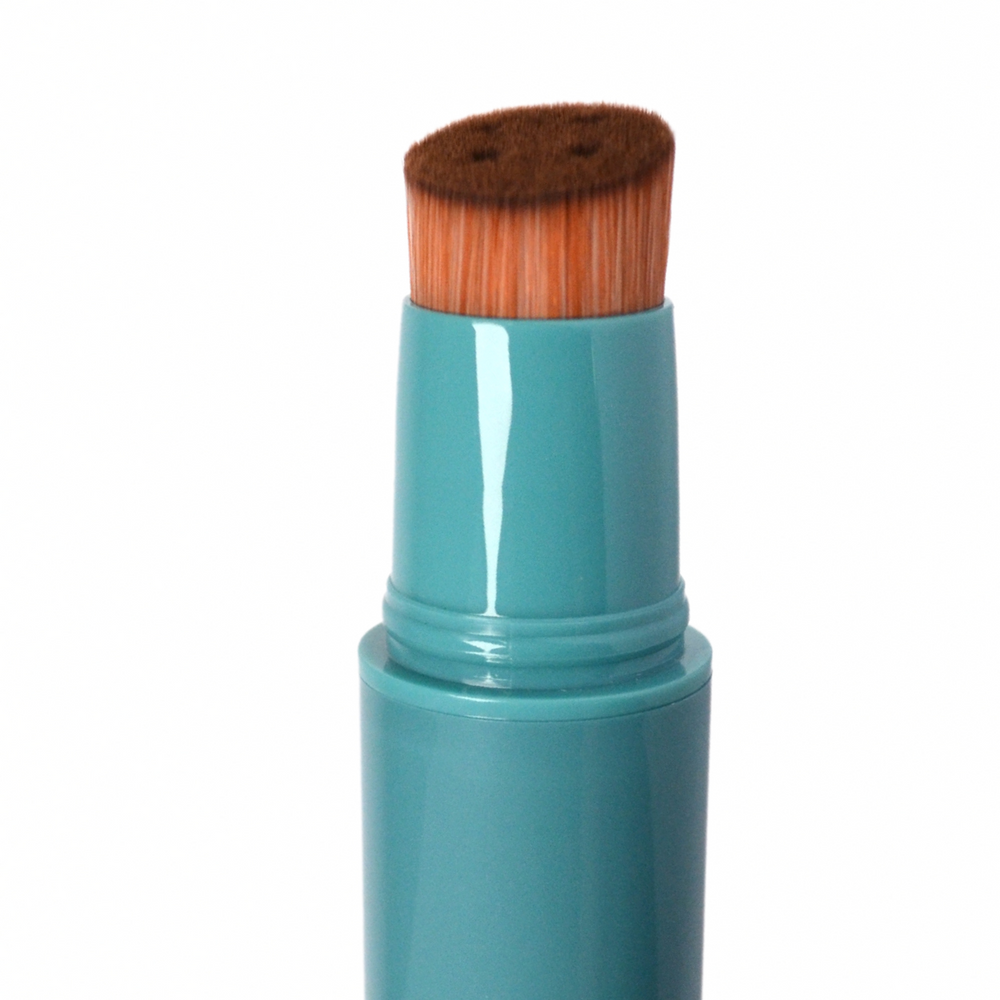
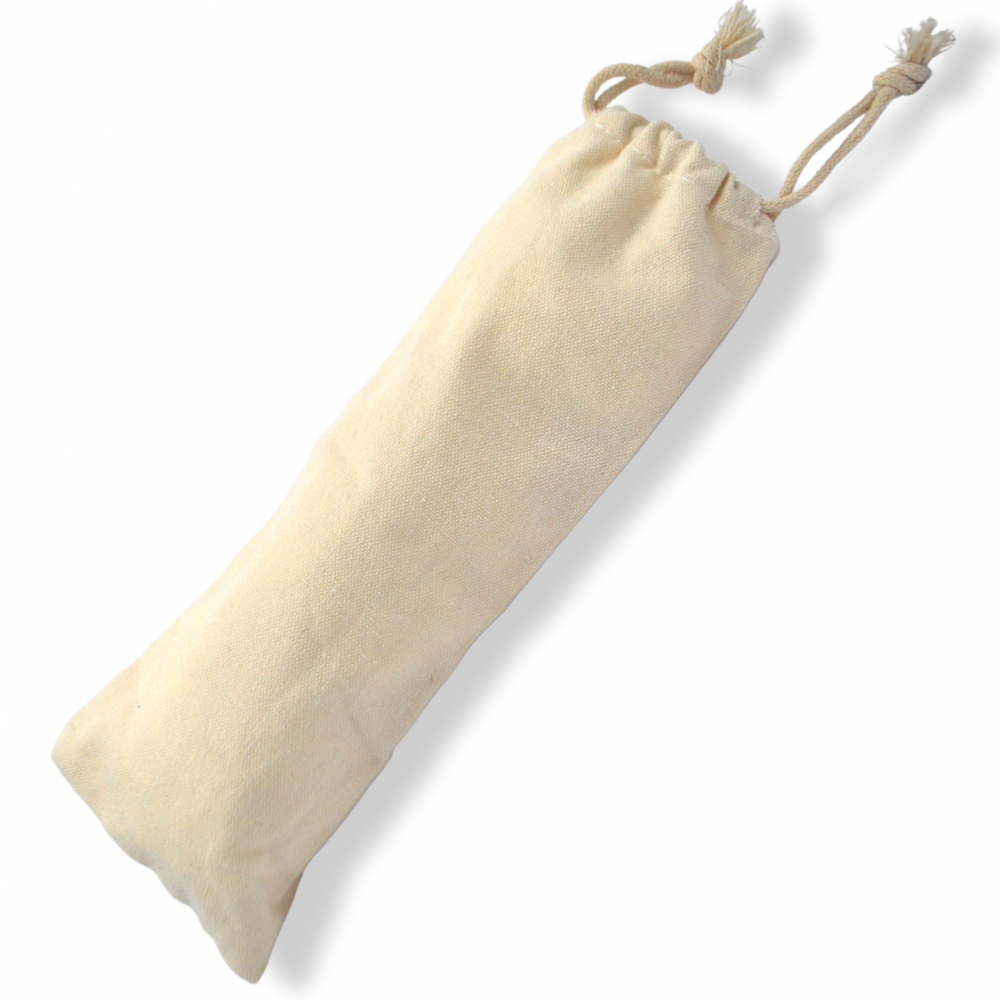
Here's a little gift to say "Welcome to the SUNNYBOD™ Family". Receive a FREE Brush Pouch & Canister Cleaning Brush with every Sunscreen Brush purchase. Stock is limited so act quickly. We don't want you to miss out!


If you have ever tried to apply sunscreen to a wriggling toddler, you already know the problem. Cold, greasy lotion, hands that end up sticky and coated, a child who becomes upset, and the nagging worry that you missed half their skin. A good sunscreen applicator can make the whole thing faster, cleaner, and far less stressful, for both of you.
But there are several types of applicator on the market, and they are not all the same. This guide walks through the main options honestly, with the pros and cons of each for kids, so you can choose the one that suits your family. We will also cover what features actually matter, what to look for around sensitive skin and allergies, and how to make sunscreen a routine your child will accept.
Quick answer
The best sunscreen applicator for kids is the one that gets sunscreen onto their skin quickly and that they will tolerate. The main types are brush applicators, roller-sponge applicators, roll-ons, and sticks. Refillable brush applicators are hands-free, work well on tricky areas like the face and ears, and let you choose your own sunscreen. Roller-sponge and roll-on tools are often cheaper but usually need rubbing in by hand and can absorb product. Whichever you choose, look for a refillable design, soft skin-friendly materials, easy cleaning, and a size that fits your bag for reapplication on the go.
Sunscreen only works when it is actually applied, in enough quantity, to all exposed skin, and reapplied through the day. With children, every one of those steps can be a battle. Many kids dislike the cold, sticky feeling of sunscreen, the smell, or having it applied near their eyes. If you have ever had sunscreen in your eyes, you'll understand why. Parents are often rushed, and applying by hand leaves fingers greasy with nowhere to wash them at the beach or park.
An applicator helps by making the process quicker, cleaner, and more predictable for the child. When sunscreen is easier to apply, it is more likely to happen, and more likely to be reapplied. That is the real benefit. The tool itself does not provide the sun protection; the sunscreen does. A good applicator simply removes the friction points that stop sunscreen from being used properly.
Australia has some of the highest UV levels in the world, and its health authorities are widely regarded as a global benchmark for sun safety. Cancer Council recommends sun protection whenever the UV Index is 3 or above, including a broad-spectrum SPF 50 or SPF 50+ sunscreen applied generously and reapplied every two hours.[1] Anything that helps a family meet that standard with less stress is worth considering.
There are four common applicator styles for kids, each with pros and cons.
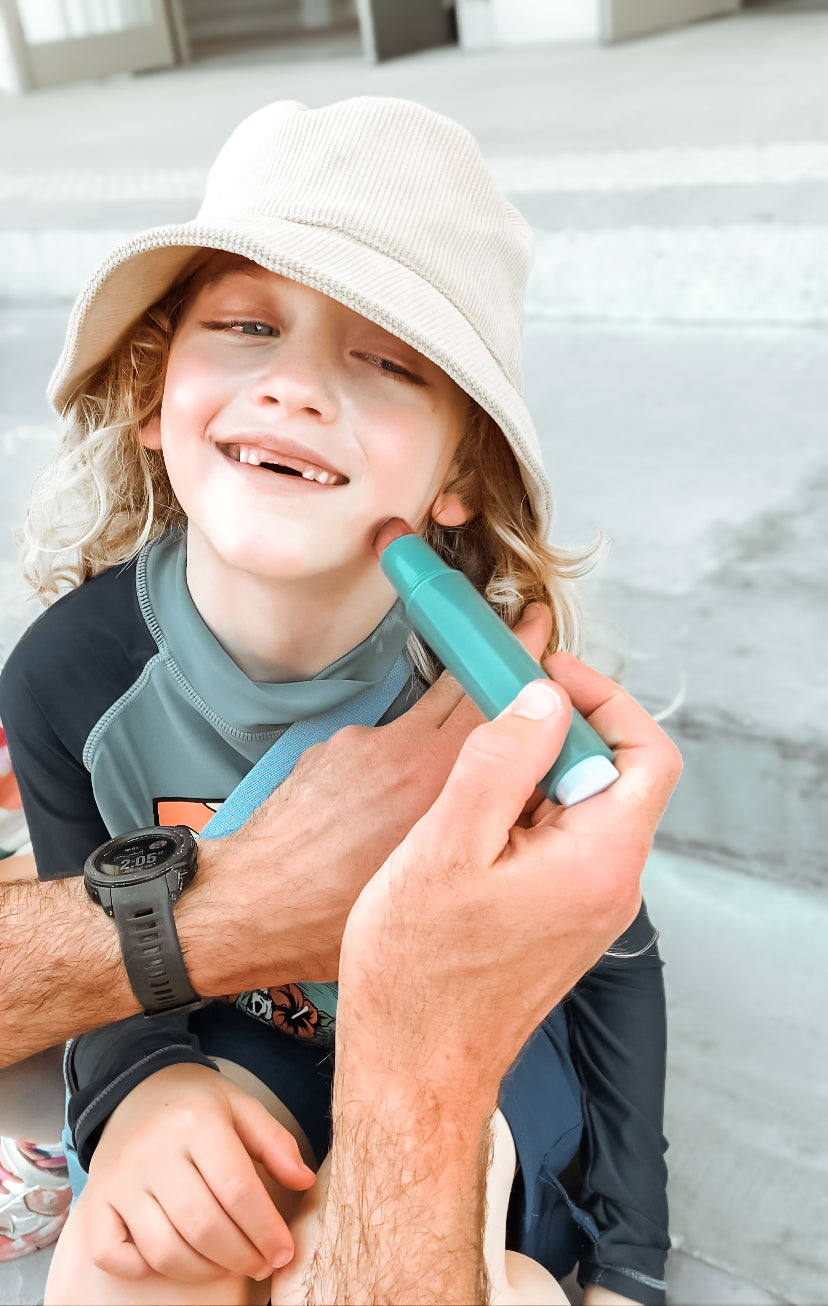
A brush applicator holds sunscreen in a refillable canister in the handle and dispenses it through soft bristles. You apply directly to the skin with the brush, so your hands stay clean. Brushes are precise, which makes them well suited to faces, ears, noses, and around the eyes, the very areas children dislike most and parents most often miss. Many kids find the soft bristles more comfortable than clumsy hands, and the experience can feel a little like play. Because application is hands-free, there is nothing to rub in and nothing to wipe off afterwards.
The trade-off is that a quality refillable brush usually costs more upfront than a basic sponge tool. However, the investment can pay for itself over time, as they are built to last and often have replacement parts available, extending the life of the brush. A good-quality refillable brush will also pump sunscreen cleanly from the canister, so there is minimal cleaning required and limited product waste compared to other applicators.
These have a sponge tip, sometimes combined with a roller ball, that you load with sunscreen and roll or dab onto the skin. They are popular, often inexpensive, and easy for younger children to grip. The trade-offs are that sponges tend to absorb a large amount of the sunscreen, which can waste product, the sunscreen usually still needs rubbing in by hand to spread it, and the sponge can become difficult to clean over time. Cleaning the internal canister can also be a challenge in some models, as they don't dispense product cleanly. They are a reasonable budget option but less hands-free than a brush.
Roll-ons use a rolling ball to apply liquid sunscreen, similar to a roll-on deodorant. They are compact and tidy for small areas, but they generally need rubbing in afterwards, smaller rollers can be slow over larger areas like backs and legs, and many are pre-filled, so you cannot choose your own sunscreen formula. Rollers can also make applying to tricky areas like the ears and around the eyes difficult, as they lack the precision that other models offer.
Sticks are solid sunscreen in a twist-up tube, swiped directly onto the skin. They are genuinely useful around the eyes and on small areas like noses, they do not drip, and they travel well. The downsides are that they are slow to cover larger areas, it can be hard to judge how much you have applied, and they are not ideal as your only method for a full-body application. The wax-like formulas can also feel quite heavy and drag on the skin during application, so they may not suit everyone.
| Feature | Brush | Sponge | Roll-on | Stick |
|---|---|---|---|---|
| Hands-free | Yes | Rub in | Rub in | By hand |
| Face & ears | Precise | Less so | Less so | Small spots |
| Large areas | Yes | Yes | Slower | Slow |
| Own sunscreen | Refillable | Often | Pre-filled | Pre-filled |
| On the go | Quick, clean | Workable | Workable | Small areas |
| Upfront cost | Low-Moderate | Low | Low-mod | Low-mod |
This comparison is a general guide. Individual products vary, so check the details of any applicator before buying.
Whichever type you lean towards, these are the features that make the biggest difference in everyday family use.
For children with sensitive or eczema-prone skin, the sunscreen formula itself is the most important choice. Dermatologists generally suggest fragrance-free, mineral-based sunscreens using zinc oxide or titanium dioxide for sensitive and eczema-prone skin, as these sit on the surface of the skin and are less likely to cause irritation than some chemical filters, and they recommend patch testing any new product first.[3]
This is one reason a refillable applicator can be helpful: because you fill it yourself, you are never locked into one sunscreen and can use whichever formula your child's skin tolerates best, including a fragrance-free or mineral option recommended by your doctor.
The applicator's own materials matter too. The SUNNYBOD™ brush, for example, is made with soft, hypoallergenic, latex-free bristles from a synthetic fibre called PBT, which is suitable for sensitive skin types, more durable than ordinary nylon, and less water-absorbent than some other materials. As always, check with your doctor or dermatologist before introducing any new product, and follow your sunscreen manufacturer's instructions before removing the product from its original packaging, as repackaging may affect how it performs.
Of the options above, a refillable brush applicator tends to tick the most boxes for families with children, which is the approach SUNNYBOD™ is built around. Here is where a brush like the SUNNYBOD™ Refillable Sunscreen Applicator Brush stands out.
For a step-by-step on getting the most out of one, see our guide on how to use a sunscreen applicator.
Many parents reach for spray sunscreen on kids because it seems quick. Sprays are not effective for everyone, though. It can be hard to judge how much has gone on, wind carries a good deal of the product away, and most sprays still need to be rubbed in to work properly.[2] For young children in particular, a tool that puts a measurable amount of sunscreen directly onto the skin is usually easier to manage.

Applicators are not just for home. In group settings where one adult applies sunscreen to many children, a hands-free tool is faster than shared bottles and hands-on application. Educators can apply without getting sunscreen on their hands, and refillable tools allow each family to supply the formula their child needs.
A centre might keep a set of brushes and sanitise or swap the brush head between children, much like a face-painting provider, or assign one brush per child. If you run a centre, school, or club, our wholesale options for schools and daycares are designed for exactly this.
The best applicator is the one your child will actually tolerate, that covers their skin quickly, and that you will keep using through the day. For young children, many families prefer a refillable brush applicator because it is hands-free, gentle on the face and ears, and lets you choose your own sunscreen. Sponges, roll-ons, and sticks can also work, especially on a budget or for small areas. Whichever you pick, pair it with a broad-spectrum SPF 50 or SPF 50+ sunscreen.
Two things matter here: the applicator's materials and the sunscreen you put inside. Look for an applicator made from soft, skin-friendly materials; the SUNNYBOD™ brush, for example, uses latex-free bristles suitable for sensitive skin types. The sunscreen formula is the main part that determines how skin reacts, so for sensitive skin, choose a formula your doctor recommends and patch test any new product first. A refillable brush applicator helps because you control which sunscreen goes inside and it supports easy reapplication throughout the day.
It depends on the type. Absorbent sponge applicators tend to soak up a portion of the sunscreen, which can mean more product is used over time. A brush that pumps sunscreen cleanly from a refillable canister dispenses it directly onto the bristles, so less is left behind and virtually none in the applicator's canister. Refilling from a larger bulk bottle, rather than buying single-use minis, also reduces packaging waste and tends to cost less over time.
Both have their place. Sticks are handy for the face and small areas and do not drip, but they are slow over large areas. Roll-ons are tidy but usually need rubbing in and are often pre-filled, so you cannot choose your own sunscreen. For an all-round option that covers both small and large areas hands-free, many families prefer a refillable brush applicator.
For active kids who need reapplication during sport or play, a compact, portable, hands-free brush applicator is ideal because it makes a quick top-up realistic without greasy hands. A refillable brush that fits in a bag works well for the sideline or the pool and makes reapplication on-the-go simple.
The SUNNYBOD™ Refillable Sunscreen Applicator Brush is available at sunnybod.com.au, with bundles for families and wholesale options for schools and daycares. Follow @sunnybodbrand on social media for availability updates.
The bottom line
The best sunscreen applicator for kids is the one that makes sunscreen quick, comfortable, and most likely to actually happen. Brush applicators are hands-free, gentle on tricky areas, and let you choose your own sunscreen, which is why many families prefer them. Sponges, roll-ons, and sticks all have their place, especially on a budget or for small areas. Whatever you choose, pair it with a broad-spectrum SPF 50 or SPF 50+ sunscreen, apply generously, reapply every two hours, and use it alongside clothing, hats, shade, and sunglasses.
The SUNNYBOD™ refillable sunscreen applicator brush is hands-free, made with soft hypoallergenic bristles, and works with your favourite SPF 50+ sunscreen. Designed to make sun protection quick, mess-free, and far less of a battle for families everywhere.
Shop applicatorsReferences
1. Cancer Council Australia. Be SunSmart.
2. Cancer Council NSW. Sunscreen.
3. Dermatology and Skin Health. My child is allergic to sunscreen: what can I use?
Disclaimer: This information is provided for general guidance only and is not intended to replace medical or professional advice. Always follow sun-safety recommendations from your local health authorities. Sunscreen should be used in combination with other sun-protection measures, including protective clothing, hats, shade, and sunglasses. Consult your doctor or healthcare provider if you have questions about sunscreen use, skin sensitivities, or individual needs. Always consult your sunscreen manufacturer before transferring product from its original packaging as doing so may affect efficacy.


The #1 Beauty Brush you can't live Without!
Welcome to The SUNNYBOD™ Blog — your go-to space for sun safety tips, parenting advice, expert insights, and all things outdoors. We’re passionate about making sunscreen fun, simple, and mess-free for families and sun lovers everywhere. Explore how-to guides, get your questions answered, discover parent hacks, and learn smarter ways to protect your skin. Whether you're a beach-goer, outdoor adventurer, or everyday parent, this is your hub for staying sun-safe with confidence and ease.
Your cart is empty
Spend another $1.00 and get free shipping!